Winter Car Preparation Checklist
Agota Szabo - October 5, 2018
As much as I hate to admit it, summer is on its way out. Before you know it, the leaves will be changing and Pumpkin Spice will be everywhere. After that it’s just sweaters and snow. So, before the cold weather really hits, here’s a checklist you can use this autumn to make sure your car’s ready for the snow!
Table of Contents:
Fill With Proper Windshield Washer Fluid
When preparing your car for winter, windshield washer fluid is probably not on your checklist, but it should be. You see, not all washer fluid is the same. Winter ready washer fluid contains anti-freeze, so it’s not just for cleaning your windshield, it can actually de-ice it. This is especially handy during a snowstorm or even just late autumn frost. So, when you’re preparing your car for cold weather, make sure you fill up your washer fluid with a winter ready solution!
Make Sure Battery Does Not Need Replacing
The last thing you want is to be stuck in the cold with a dead battery, especially since you need that battery to turn on the heat! Trust me, there is nothing worse than leaving your office in the cold and snow only to find out your car won’t start. Then you’re stuck there in the cold waiting for a tow or a jump. So check your battery, especially if it’s older, because you don’t want to find out it won’t make it through winter the hard way.
Flush Your Coolant System
You may think topping off your coolant is good enough, but while it can keep your car from overheating you can still have a bunch of sediment and other gunk in there that can cause corrosion and damage the system. Flushing the coolant system not only cleans all that out and puts in clean fluid, it also makes sure you catch any problems before they start. That way you’re not stuck overheating during a blizzard.
Check Your Tires
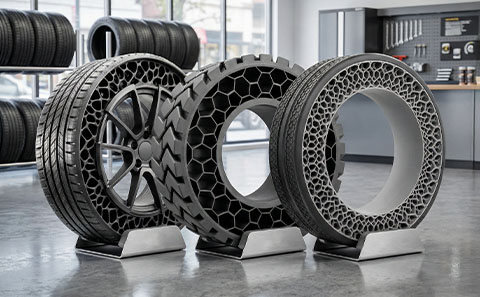
Obviously, you’ll want to make sure your tires are in good condition before the snow starts to fall. But did you know you should be checking more than your tread depth? You’ll want to check for signs of tire failure, like dry rot, tread separation, etc. You may also want to look into winter tires if you’re in an area that regularly gets more than a light dusting.
Check the Heat and Defroster
This one is probably already on your checklist because, unless you’re a yeti, you’re going to want to make sure the heater works. While you’re checking that, make sure the defroster is up to par.
Supplies
Some of these are obvious, some not as much, but either way you should have these things somewhere in your car over the winter season:
- A winter blanket (just in case)
- Water and food (if a blizzard’s expected)
- A portable phone charger
- An ice scraper and snow brush
- Jumper cables
- Heavy duty tow strap or chain (this may not be as necessary in the age of cellphones, but it couldn’t hurt)
- Tire chains (if you use them)
Winter Driving Survival Tips
Your tire pressures will change with the outside temperatures. As the weather gets colder, your PSI will decrease. I could go into the science, but you don’t really need to know the why. All you really need to know is that it will go down and you’ll have to put some more air in your tires. It’s normal. When it gets warm again, check the air pressure, as the PSI will go up with the temperature.
Don’t run on empty. Aside from the risk of running out of gas in a snowstorm, lower fuel levels in winter increase the risk of condensation building up in your gas tank. This adds water to the fuel and can lead to combustion issues, so fill it up!.
Start driving soon after starting the car but drive lightly until the engine warms up. Idling your car to “warm up” might give the heater time to get going, but it doesn’t do many favors to your engine. This is because your car’s computer uses a higher percentage of fuel to help the engine heat up, along with idling at higher RPMs. The higher fuel percentage in the mixture is not great for your cylinders, so you don’t want to keep it going for a long time. It’s much better for your engine if you start driving, going easy on the RPMs, and let it warm up that way.
Learn basic snow driving skills. Driving in snow is different from driving in rain. This may seem like an obvious thing to say, but you’d be surprised how many people know this but still don’t know any specific snow-driving skills. Here are a few to get you going:
- Decrease your speed around corners and down hills
- Build momentum before going up an incline and keep it steady while going up
- Slow down way ahead of any stops (you can’t stop as fast in snow)
- In fact, slow down in general while it’s snowing. It’s safer.
- If your car skids, don’t slam or pump the brakes.
- Learn how to steer into a skid, and find a safe place to practice (like an empty parking lot)
- Make sure the tailpipe isn’t clogged with snow, exhaust in the car is a very bad thing.
For more winter driving tips, I recommend checking out AAA’s Winter Driving Tips.
Related Posts