Run Flat Tires: History, Technology, Types & Regulations
Rudolf Rukavina - October 3, 2025
Every driver knows just how frustrating it can be to have a flat tire. Not only are you stranded at the side of the road, but you also have to call a tow truck to pick you up, which isn't cheap, to put it mildly. This is especially true if you're in the middle of nowhere, because, and let's be honest here, tires tend to go flat when you're nowhere close to a repair shop. Well, nothing to do except wait to get towed.
But, does it really have to be this way? As a matter of fact, it doesn't. Run Flat Tires, otherwise known as RFTs, are becoming more popular and more widespread among vehicles these days. What exactly are these run flat tires? Simply put, these tires allow you to keep driving even if partial or complete loss of inflation pressure occurs.
In other words, you can keep going for a limited time, and if the tire goes flat due to a rupture or something similar, you won't lose control of your vehicle as you normally would with a standard tire. That sort of feature is not only more convenient, but also a much safer option. With that in mind, let's further examine these run flat tires and see what they're all about. Let's get to it then.
Table of Contents:
History of Run Flat Tires
The history of run flat tires goes back to the early 1930s, when blowbacks were a common occurrence. Back then, Michelin decided to do something about this hazard and they created the very first self-supporting run flat tire in 1935.
The technology that included a safety rim inside a tire was already used for local trains and trolleys, which is exactly what inspired Michelin to take things to the next level. Their tire was designed to run on specialized foam lining when the tire goes flat.
Unfortunately, this feature, although very effective, was too expensive for commercial vehicles. It was actually World War II that pushed run flat tires into future adoptions.
The concept of military vehicles not being stranded on the battlefield due to a flat tire was gaining a lot of attention. But it wasn't until 1958 when Chrysler and Goodyear started collaborating to create the so-called Captive Air run flat tires with the help of an internal structure.
However, the story doesn't end there. In fact, back in the 1970, Dunlop introduced the Total Mobility Tire which was advertised as “fail-safe” tire and that later involved into TD/Denloc in 1983, which is around the same time run flats' became commercially available for public use.
After that, industry giants, such as Michelin, Bridgestone, Goodyear, and others have worked relentlessly to produce new and more effective technologies for run flat tires.
Technology and Functionality
Now that we've familiarized ourselves with how run flats came to be, it's time to look a little deeper into how they actually work. That said, these tires have different systems in place that let them run without air pressure. However, they can't run like that forever.
As a matter of fact, run flats allow you to drive for about 50 miles, which is around 80km, at the speed of 50 mph. That's usually more than enough to get to the repair shop where you'll have the tire replaced.
As to how this is possible, run flats have either a self-supporting system or a supporting ring installed that lets them carry the weight of the vehicle without air.
Unlike standard tires where only support you're going to get is from driving on the rim, run flats actually help avoid damage to the wheel or chassis. But, as mentioned before, run flats can support the vehicle for a limited distance after which damage to the wheel is inevitable.
Types of Run Flat Tires
As mentioned previously, run flats have either a self-supporting system in place or they have a supporting ring within the tire. But, that's just the tip of the iceberg as to how these tires actually manage to do what they're designed to do. That said, there are three major types of run flat tires and we'll go over all of them in greater detail, So, let's get to it shall we?
Self-Supporting Tires
This is the most common type of run flat tires that you can easily find as original equipment for a wide variety of vehicle models today. What's interesting about these tires is that they have reinforced sidewall construction that can support the car's weight when the loss of inflation pressure occurs.
In other words, the tire is strong enough not to lose shape even without any air in it. It will start to deform eventually, but not before you safely get to the nearest repair service provider.

Support Ring Tires
As the name suggests, support ring tires have a ring usually made out of stiff rubber or some other material to support the vehicle in the event of an air pressure loss.
Therefore, instead of turning into a flabby piece of rubber when all the air is gone, the tire will fall onto the inner ring that will continue supporting the car for some time and with limited performance.
Nothing beats properly inflated tires in terms of vehicle stability and handling, but in case something does go wrong, this rubber ring will do the job until you safely get off the road and to the repair shop.

Self-Sealing Tires
Now, this is an interesting tire by all accounts. Technically speaking, it's not an entirely run flat tire, but then again, it can self-seal to prevent smaller punctures from deflating the tire, hence the name. In other words, this tire is filled with a thick and rubbery liquid polymer.
This brew is very sticky, so if a small puncture occurs, the liquid can automatically seal it, thus allowing you to continue driving like nothing happened. However, the liquid can seal punctures that are around 5mm or ¼ of an inch or less in diameter.
Anything larger than that and the liquid spills. Still, this doesn't mean the tire will go flat because of that. In fact, the tire still has strengthened sidewalls to support the car and let you drive to the nearest shop for replacements or repairs.

Auxiliary Supported Tires
As for the auxiliary supported tires, these are most commonly used for military vehicles. The way they work is that they also have a supporting ring within the tire.
However, the main difference is that this ring is a lot stronger and also attached to the wheel. This is exactly why these tires can support heavy military trucks and combat vehicles even without any air pressure whatsoever.
Advantages and Disadvantages of Run Flat Tires
Unfortunately, there's a bad side to everything that's good. But, there's also something good to be found in everything bad. That's just the way things are. Run flat tires are amazing and their design has helped numerous drivers get out of a tight spot when they needed them the most.
However, they are not perfect, which is exactly why they aren't standard equipment for every vehicle, but an optional feature, instead. That being said, let's take a closer look at the pros and cons of run flats.
Advantages of Run Flat Tires
Well, the main advantage of run flats is in their name: they can run flat. But besides the obvious, these tires provide a whole new layer of safety for drivers everywhere. First of all, there is a significantly reduced risk of blowouts, thanks to the tire's construction method and materials. Furthermore, if a tire gets punctured, you won't lose control of your vehicle, which is quite common, especially at high speeds.
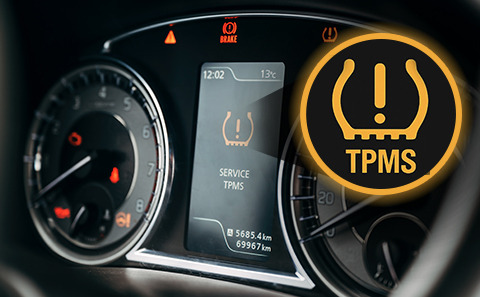
You'll notice something is off, but that's about as far as unpleasantries regarding this tire go. There's also the Tire Pressure Monitoring System (TPMS) that can alert you if the tires have or are losing pressure in any way.
In other words, you won't have to stop the vehicle immediately and pull out a spare tire from your trunk to replace the damaged one, which is dangerous in itself. Speaking of trunks, there's no need for a spare tire if you have run flats, so more space for other stuff.
Disadvantages of Run Flat Tires
As mentioned before, there's bad to everything good. Run flats, effective as they may be, are quite expensive, especially since they provide a great feature, indeed. However, such costs aren't suitable for every consumer.
Not to mention the fact that when the air pressure loss occurs, the system that supports the tire will get damaged regardless. What that means is that repairs are often difficult and sometimes impossible.
You'll more likely have to replace the whole thing, which isn't cheap at all. Be that as it may, run flats are sturdier than regular tires because they have to be. This often translates to a rougher and less comfortable driving experience.
Run Flat Tire Standards and Regulations
As far as standards and regulations go, run flats don't have to adhere to any specific rules exclusive to them, except the mandate that requires the use of a functional Tire Pressure Monitoring System (TPMS) and specific sidewall markings to identify the tires. However, these tires must still remain compliant with standard DOT (Department of Transportation). Those regulations include the following:
- DOT tread depth regulations.
- DOT tire pressure regulations.
- DOT steer tire regulations.
- DOT tire age laws.
These laws and regulations are created by the FMCSA (Federal Motor Carrier Safety Agency) to reduce vehicle crashes, injuries, and fatalities that don't involve just large trucks and buses, but also other vehicles.
How Do Run Flats Compare to Standard Tires?
In most cases, run flats and standard tires are pretty much the same in every way. Beside the fact that run flats can run flat, of course, and the fact that they're heavier, which usually means less smoother ride. But, generally speaking, the performance and features that standard tires have, such as fuel economy, comfort, reduced noise, and so on can be found in run flats as well.
In other words, just because you're opting for a run flat tire, it doesn't mean you're sacrificing any of the benefits that standard tires have to offer. That said, run flat is just an additional feature, that's precisely why these tires cost more than standard ones.
Both options have the same durability and life spawn. The only actual major difference is that punctures on standard tires are usually easier to repair, while damage on run flats often means the entire tire has to be replaced.
How to Recognize Run Flat Tires?
You're shopping for run flats? That's always a great choice, but you should familiarize yourself with finer details before you make a purchase. That said, knowing how to identify a run flat is half of the work. The other half is choosing the right tire model that will suit both yours and your car's needs. Therefore, if you want to properly recognize a run flat tire, here are a few things you should pay attention to.
- Examine the sidewall - Every run flat tire is marked with an ISO (International Organization of Standards) symbol. Other than that, you should be able to spot letters like RFT (Run Flat Tire) and SSR (Self-Supporting Run Flat).
- Check tire markings - Some manufacturers use different letters like ROF (Run on Flat) or ZP (Zero Pressure), for example. So, always keep an eye on unusual tire markings like EMT (Extended Mobility Technology).
- Check vehicle specifications - If you're ever in doubt about markings, symbols or anything else related to run flat identification marks, you can always check vehicle specification to clear the air. The owner's manual should provide you with all the information you may need.
Which Vehicles are Equipped with Run Flat Tires?
As mentioned before, run flats are becoming increasingly popular and they are a common sight as OE for many different vehicle brands. Of course, they are still optional and you can simply opt out if you prefer to have standard tires on your vehicle after purchase. In any event, car manufacturers that often provide run flats as standard equipment for their vehicles include:
- BMW
- Mercedes-Benz
- Audi
- Porsche
- Mini
- Chevrolet
- Dodge
- Nissan
- Jaguar and Land Rover
For example, Mini Cooper doesn't have any trunk space for a spare tire, so this car model usually comes with run flats. Be that as it may, many drivers have a dilemma about whether to opt for factory-installed run flats or consider an aftermarket adoption. And the main reason drivers are second-guessing themselves is that they're not sure if run flats can be replaced by standard ones later on.
To help clear any confusion, you can replace run flats and install standard tires whenever you feel the need to do so. If run flats come as OE for your vehicle, then that's an ideal opportunity to test them out. If you like them, keep them, if not, replace them. It's really that simple.
However, if you're planning on installing run flats on your car, you must check the compatibility with Tire Pressure Monitoring Systems. This is the only requirement run flats have. If your car doesn't have a TPMS, then you can't opt for run flats.
Maintenance and Replacement for Run Flat Tires
The thing about run flats is that they're not exactly suited for repairs. Their reinforced structure gets damaged when there's no air pressure left to support the car, so it becomes very difficult and very expensive to fix that damage. If there's a very small puncture that lets air out slowly, then there's a possibility that the tire can be repaired.
Anything more serious and mending goes out the door as an option. That's why the standard procedure is to replace the entire tire should the puncture happen, in the first place. But, you can ensure that the tire remains in good condition, so that potential punctures are less likely to happen.
You can easily achieve that with proper and regular maintenance. For instance, checking that the tire is properly inflated and that the tread depth is above the legal minimum is a good way to make sure your tire is in good health and that small debris will most likely fail to puncture it.
Common Myths and Misconceptions Regarding Run Flat Tires
Every product out there has an abundance of rumors circling them. Some are factually correct, while others are complete nonsense. Run flat tires are no exception to this little rule. Speaking of which, let's examine a couple of common myths and misconceptions surrounding run flats, and see if we can dig out the truth.
Run flat tires eliminate the need for TPMS
Absolutely not, run flats need TPMS to inform the driver that there is a loss of air pressure. That way, the driver can know that there's an issue so that they can drive to the nearest repair shop.
Run flat tires never go flat
This is also not true. As mentioned before, run flats can provide limited performance for a limited distance, more specifically 50 miles at 50 mph. After that, the tire will no longer be able to support the tire and continuing to drive can cause serious damage to your car.
Run flat tires are only for luxury cars
That used to be true once upon a time. Today, however, there are run flat tire models that are not only suitable for regular cars, but also quite affordable.
All cars can use run flat tires
Nope, only cars that have TPMS installed can use run flats. If you're driving an older model car that doesn't have this feature, you won't be able to opt for run flats.
Run flats eliminate the need for regular maintenance
That's also quite wrong. Run flats require proper and regular maintenance just like standard tires do. They experience wear and tear, which is why you must monitor their conditions to determine if they can be repaired or they need to be replaced.
Run flats always provide a harsh ride
Yes and no, because everything depends on the tire model, quality, and who manufactured it. Indeed, run flats are stiffer due to reinforced sidewalls, which means your driving experience might be less comfortable.
However, run flat technology has evolved over the years and some tire models are so advanced that you won't feel the difference between a run flat and a standard tire.
The Future of Run Flat Tire Technology
People always wonder about what comes next. What does the future hold? Will technology advance or remain where it is, at least for the time being? The thing is, nobody rightly knows, but we can speculate based on the information available to us.
As far as run flat technology goes, the future is relatively simple. The main goal is to focus on improving comfort, fuel-efficiency, and eco-friendly capabilities of these tires. Moreover, these run flat features will be adopted for EV versions in a more efficient way as well.
The fact of the matter is that EVs are much heavier due to their batteries, which means that tires need to improve to support these vehicles adequately even more than they do now. All of these improvements may happen in a couple of years or it may take a while longer than that. In any case, all we can do is wait and see how events unfold.
See Also
- Tire Rotation
Related Posts