Dry Rot Tires: Causes, Dangers & Quick Fix Advice
Dusan Kovljen - November 7, 2025
Humans tend to associate warm weather with positive notions like trips, fun, and enjoyment, often overlooking some unseen dangers lurking in such conditions. We're constantly reminded to watch out for excessive heat and UV rays as they can cause us harm. Well, tires are in a similar situation, since they're also exposed to the same factors, resulting in the specific type of damage called dry rot.
Dry rot is a type of decay that occurs in tires with age but also when they're subjected to certain conditions, such as excessive sunlight (UV rays), corrosive chemicals, or extreme temperatures, to mention a few. This leaves visible marks on tires, like decolorization, brittleness, and cracking of the tread and the sidewalls. Such damaged tires should not be used, as they cannot perform optimally during the drive.
In other words, dry rot is bad. As such, drivers should do their best to avoid and prevent it from developing in the first place. First of all, nobody should compromise their safety with dry rot tires. Another thing to keep in mind is that it's much cheaper to replace dry rot tires than to pay for a new car and other medical bills in case of an accident. In order to prevent such unpleasant events, let's discuss dry rot tires in more detail and see what we can do about them.
Table of Contents:
What Is Dry Rot on Tires?
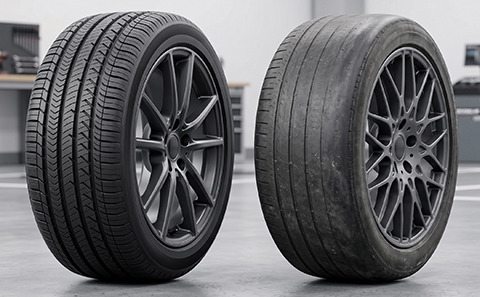
As mentioned before, dry rot is a type of tread and sidewall damage where the rubber dries out, resulting in degradation of the rubber and the tire's structural issues. Visual cues like countless tread cracks, crazing, discoloration, and brittleness ensure that dry rot is easily noticeable, enabling drivers to replace the decayed tires on time before they cause an accident. So, how do you spot dry rot?
- Dry rotting tires have hairline cracks along the tread area and on the sidewall, meaning the rubber is starting to break down, which compromises the tire's structural integrity and makes them very dangerous to use.
- Crazing is another symptom of dry rot tires. It comes in the shape of the small cracks that can appear on the tread area.
- Discoloration is an additional sign of this issue. It is apparent when the typical black color of the tire rubber turns gray or brown.
- As dry rot tires dry out, the rubber loses its moisture, becoming harder and brittle, and allowing small pieces of it to fall off the tire.
While dry rot is a type of damage, it is distinct from tread wear, bulges, and punctures. Here's how you can distinguish them:
- Tread wear is the wearing away of the tread pattern during the drive in a regular, irregular, or accelerated manner, depending on a number of factors, but it can appear before dry rot.
- A bulge can be a small bump or a bubble-like formation on the sidewall, pointing out to a tire's structural damage.
- Lastly, a puncture is a type of damage that happens when a sharp or pointy object penetrates the tire, resulting in a small hole.
Common Causes of Dry Rot on Tires

At first glance, heat and sunlight might seem harmless, but they are one of the biggest factors that cause dry rot. Hot climates ensure faster deterioration of the compound blend, while the sun's UV rays can break down the rubber compounds in the tires. Besides hot weather, extremely low temperatures can also be the cause of dry rot, making it another thing to be aware of.
Furthermore, ozone also plays its part, since its molecules interact with the tire compound, degrading it slowly and turning the rubber brittle in the process. As such, this represents a constant threat to your tires, which is why they need to be protected and monitored regularly. Be aware of the electrical equipment that generates ozone, since its proximity to tires can contribute to dry rot as well.
Not using your vehicle and keeping it parked and exposed to the elements is a certain way for your tires to get dry rot. The same result can also be achieved with improper storage of your tires. For this reason, proper care and maintenance are crucial. Since high temperatures and temperature fluctuations are factors that lead to tire aging and dry rot, it's important to store them in a cool, dry, and optimally ventilated space to protect them. In spite of this, tires last a certain period, meaning their age will eventually catch up with them, leaving them dry and cracked.
Speaking of proper care, cleaning agents and other harsh chemicals can also damage your tires over time, leaving them susceptible to dry rot, which is why you need to be careful which products you use for your tires. Besides this, improper air pressure is an additional contributor to dry rot, as underinflated tires can generate more stress and excessive heat, which causes the rubber to break down.
How Dry Rot Progresses
Dry rot is an inevitable process that happens to all tires over time. Certain conditions can accelerate dryness and deterioration of tires. For example, in regions with dry, arid climates, dry rot can happen after just five years, while in humid areas, dry rot develops slower due to the environment.
When the tire rubber starts to dry, the rubber slowly loses its flexibility, resulting in the appearance of cracks on the tread area. As cracks multiply across the footprint, meaning the breaking of the rubber compound has taken the sway, it's only a matter of time until the tire becomes brittle. When the rubber begins to crumble away, the tire's structural integrity has been totally compromised, making it unusable in the process.
When Is Dry Rot on Tires Dangerous?
When dry rot begins to affect your tires, the damaged tires become more dangerous with the passage of time. Starting with small cracks, it's difficult to notice when and how long it will take dry rot to transition from minor to quite severe damage.
Dry rot greatly affects the tire's functionality, since the cracking of the rubber weakens your tires. A crack can open up and lead to blowouts, but there are also other things to be wary of, such as air pressure leaks and tread separation, among other dangerous situations on the road. The breaking of the rubber compound diminishes its flexibility, impacting the tire's grip and handling, and making it less responsive and reliable during the drive. When dry rot has progressed to a point where the tread is crumbling and is exposing the tire's internal parts, the tire is way past the point of being safe to be used, which is why it should be replaced ASAP.
Inspection Checklist

Inspect your tires for signs of dry rot at least once a month. Noticing the signs early is helpful, since it will prevent you from driving on unsafe tires. After all, safety on the road is the most important thing for you and for other participants in the traffic. You just have to look at your tires, feel them, and see how the vehicle behaves during the drive.
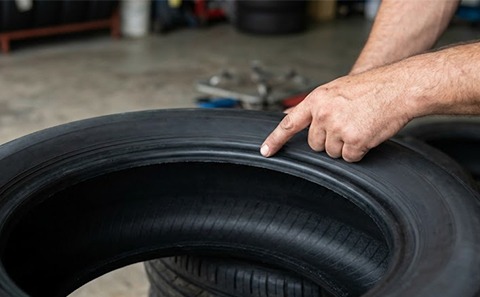
If you're noticing hairline cracks in the tire sidewall, you can be sure that it's a sign of dry rot. Discoloration of the rubber compound is also a trustworthy indicator. The loss of flexibility, when the rubber feels stiff or brittle to the touch, is another valid way of confirming that your tires are dry rotting. The peeling of the sidewall and the rubber falling off your tires are more than obvious signs as well.
Make sure to check the age of your tires. Since tires develop dry rot with time, older tires that have aged quite a bit are more likely to start showing signs of decay. You can check their sidewall for a four-digit code that is part of the tire identification number. In other words, if this code is 1022, it means the tire was made in the 10th week of 2022, enabling you to estimate the age of your tire.
When to Replace Dry Rot Tires
By this point, we've already established that dry rot tires are dangerous, which is why it's in your best interest to replace them when you notice that the rubber has started to lose its flexibility, becoming brittle and stiff. Deep cracks and extensive cracking across the tread and the sidewalls are another visual cue that indicates that you should replace your dry rotted tires. If you also notice that the rubber is peeling or that chunks of it are missing, this is also a sign that your tires must be changed immediately.
All these signs make your tires not safe for optimal performance. After all, driving with dry rotted tires isn't the question of if the tire failure is going to happen, but when. Noticing these signs early and replacing them with new ones is the safest course of action you can take.
Since dry rot also appears as tires age, make sure to keep an eye on how old your tires are. Tires don't last forever, so their age is another thing to watch for, as old and dried out tires don't offer the safest performance on the road.
How to Fix Dry Rot Tires?
When dry rot appears in your tire, you have a very small window to act and try to save it before the damage progresses to a point where it becomes dangerous to use. Professionals use tire sealant to address minor dry rot.
However, dry rot is technically unavoidable in the long run, although it can be delayed with modern compound blends and with proper tire care. Once dry rot sets in, there is no way to reverse or fix the damage. It can only progress further, making the tire unusable and unsafe if it's still mounted on a vehicle.
In other words, dry rot isn't a repairable damage as the rubber has deteriorated, preventing your tires from performing optimally. This means your tires no longer have good structural integrity to keep you safe during the drive.
The only thing you can do is replace a tire if it becomes dry rotted.
DIY vs. Professional Help

While you may try to apply tire sealant on your tires in the early stages of dry rot, keep in mind that you should do it only if you have some experience and prior knowledge. After all, you want to save your tire and not damage it further. If you decide to do it yourself, be mindful that some substances can be more harmful than helpful to your tires, as they will accelerate dry rot. Moreover, if you had a prior encounter with dry rot in your tires, you're most likely aware of how it manifests.
If you suspect your tires are dry rotted, but you're not sure, you can take them to a technician, who can evaluate them for you. If dry rot is in the early stages, you can also go to professionals for help. They have the expertise and the experience needed to safely address the first signs of this issue, in case you lack the knowledge, the time, or the resources to deal with it yourself.
Despite this, you don't want dry rot to linger on your tires for a long time, nor should you use such tires, as they greatly diminish driving safety levels.
How to Prevent Dry Rot on Tires
If you're concerned about dry rot, there are ways to combat it. For instance, your main priority should be to purchase high-quality tires, since their compound elements are of better quality than those of lower-quality tires, making them less prone to premature aging and dry rotting. Also, you should be mindful of your driving habits. Tires, when exposed to the conditions during aggressive driving and frequent braking, are more likely to develop accelerated wear and dry rot. Keeping your tires properly inflated is also beneficial, as it lowers the possibility of dry rot.
The best way to protect your tires against dry rot is to regularly inspect and properly care for them. Keep your tires clean but avoid using abrasive chemicals that can damage the tire's rubber, and minimize their exposure to excess heat, UV light, and freezing temperatures. Additionally, don't leave your tires idle in the same place for a long time, since regular use is beneficial for them. If you're not using your tires, store them in a cool and dry environment away from the sun to protect them from dry rot and ensure their longevity. When keeping your vehicle and off-season tires in your garage, keep them away from electrical equipment that generates ozone, since it can cause dry rot in your tires.
Conclusion
Dry rot is an inescapable but delayable condition of your tires. With constant care, regular use, and proper storage of your tires, they can last long enough in optimal weather conditions without you encountering this issue. Frequent tire examination can help you spot dry rot before it completely makes your tires unusable, giving you enough time to replace them.
While dry rot can be prevented, the danger it poses shouldn't be diminished, since it can lead to accidents if tire failure occurs on the road when you least expect it. A preemptive action against dry rot goes a long way to ensure your and every other participant's safety on the road.
Frequently Asked Questions
How Long Does It Take For Tires To Dry Rot?
This depends on the environment and some other factors. Tires are more prone to dry rot in arid regions than humid ones. In addition, exposing your tires to UV light and aggressive chemicals, using underinflated tires, and improperly storing them are some of the factors that can hasten their deterioration.
Can You Drive On Dry Rotted Tires?
Driving on dry rotted tires is not recommended. Such tires lack the structural integrity, and their rubber compounds have lost their flexibility, minimizing traction on the road and causing unreliable handling. Moreover, the more damaged the tires, the less safe they are, increasing the risk of blowouts.
What Does Dry Rot Look Like On Tires?
Dry rot tires are noticeable due to discoloration, when they lose their black color and turn gray. Additional signs to watch for are numerous cracks along the tread area and the sidewalls. Moreover, as the rubber degrades and dries out, it turns brittle, resulting in chunks of it falling off.
Are Small Cracks In Tires Normal?
No, small cracks in tires are not normal. Their existence shows that there are some underlying issues with your tires. Small cracks and crazing are some of the signs of dry rot, which represents a danger to you and other participants on the road. Small cracks can open up, resulting in a blowout.
How Do Tires Dry Rot?
Tires dry rot naturally by aging, meaning they lose their moisture, flexibility, and structural integrity over time. This can also happen prematurely when tires are exposed to ozone, UV light, extreme temperatures, and aggressive chemicals, which hasten the drying out of the tire.
Can Dry Rot Tires Cause Shaking?
Dry rotted tires can cause vibrations during the drive. The dry rot tire is dried out and brittle, with a weakened structural integrity due to numerous cracks. This causes pieces of the rubber to fall off a tire, impacting the tire's shape and decreasing its traction on the road, which results in a wobbly ride.
How To Check Tires For Dry Rot?
Visual inspection and physical touch are enough to determine dry rot in tires. Such tires lose their black color and have numerous cracks across the tread pattern and the sidewalls. Last but not least, the rubber will lose its flexibility, becoming harder and brittle in the process when touched.
How To Prevent Dry Rot On Trailer Tires?
Purchase high quality tires because they are less prone to dry rot due to their better compounds. Minimize their exposure to UV rays, extreme temperatures, electrical equipment that generates ozone, and chemicals that damage the rubber. Frequent use and proper tire storage are also helpful.
How Much Dry Rot Is Acceptable On Tires?
Tires with minor dry rot may be drivable, but that poses a risk because you cannot tell when they are going to degrade to a point where they present severe danger to you. This is a great issue, since a blowout can catch you when you least expect it. In short, it is best to replace dry rotted tires.
What To Put On Tires To Prevent Dry Rot?
You can put products that block UV light and provide protection against ozone. However, be aware that some chemicals, like petroleum-based products, may have the opposite effect and damage the tire rubber instead of shielding it. That is why you should carefully read the product labels.
Related Posts