Best Winter (Snow) Tires for 2026/2027: Best Models Compared
Tina Alijevic - October 7, 2026
Table of Contents:
Winter driving can turn an ordinary road into a serious traction challenge. As temperatures fall, the rubber in regular tires can stiffen, which makes them lose contact with the driving surface, especially on snow- and ice-covered roads. That's where winter tires come in.
The best winter tires combine a winter rubber compound and a specialized tread pattern with multiple siping details that bite into snow and ice and ensure excellent grip in harsh winter conditions. At the same time, don't forget to look for the 3PMSF symbol, which identifies tires tested for severe snow conditions. But with so many options available, what actually makes a winter tire a good choice? Let's see.
Tire Model | Speed Rating | 3PMSF Certification | Winter Tire Type |
Nokian Tyres Hakkapeliitta R5 | R, T | Yes | Studless |
Continental VikingContact 7 | T, H | Yes | Studless |
Goodyear WinterCommand Ultra | T, H, V | Yes | Studless |
Pirelli Ice Zero FR | T, H | Yes | Studless |
Bridgestone Blizzak DM-V2 | R,S, T, H | Yes | Studless |
Nokian Tyres Hakkapeliitta 10 | T | Yes | Studdable, Studded |
General Altimax Arctic 12 | T | Yes | Studdable, Studded |
Cooper Evolution Winter | T, H | Yes | Studdable |
Hankook Winter i*Pike RS2 | T | Yes | Studdable, Studded |
Firestone Winterforce 2 | S | Yes | Studdable, Studded |
Why Choosing the Right Winter Tires Matters
When temperatures start dropping, it is important to have the right tires mounted on the vehicle. It will make a noticeable difference in how your vehicle handles winter weather conditions. Unlike all season tires, winter tires are made to remain flexible in freezing winter conditions. On the other hand, all-season tires start to harden when temperatures fall below 45°F, which reduces their road-gripping ability.
The importance of choosing does not stop here. The real difference becomes even more noticeable during performance on ice- and snow-covered roads. Winter tires use specialized rubber compounds, larger tread elements with multiple siping details, and biting edges that improve traction in cold conditions. Compared with all season tires, winter tires provide shorter braking distance and better traction on snowy and icy roads.
Winter Tire Types and When to Use Them
Not all winter tires are made for the same driving conditions. The tire market offers three types of winter tires: studless, studdable, and studded. The right tire type depends on factors such as how much snow and ice you typically encounter, where you drive, and whether your area permits studded tires.
Studless Winter Tires
For most drivers, studless winter tires are the best choice for harsh winter and snowy conditions. They use a specialized rubber compound that remains flexible in freezing temperatures. On the other hand, an optimized tread pattern has thousands of siping details that create additional biting edges on snow and ice. They're also quieter and more comfortable than studded tires, and they are legal in all states.
Studdable Winter Tires
Studdable winter tires give drivers the option of adding metal studs when extra traction is needed. These tires are ideal for drivers who regularly drive on ice, rural roads, or other challenging surfaces. Drivers can use them with or without studs. They offer flexibility and can be a budget-friendly option for some drivers.
Studded Winter Tires
Studded winter tires are designed to provide maximum traction on icy roads. Metal studs bite into hard ice to help improve grip, especially in areas where winter driving regularly involves severe icing. However, studs can produce more road noise and contribute to pavement wear. Because regulations vary, check your state's laws for permitted stud types and seasonal dates before choosing them.
Best Winter Tires for 2026/2027
The tire market offers a wide range of winter tire models for purchase, but how do you choose the best one? Choosing the right winter tire depends on several factors that should be considered before buying a new set, and to make your choice easier, we created a list of the 10 best winter tires.
Nokian Tyres Hakkapeliitta R5
The Hakkapeliitta R5 model is a studless winter tire that is designed for passenger cars and SUVs. This model offers exceptional grip on ice- and snow-covered roads. A Double Block Grip is specialized to improve the overall controllability, driving stability, and handling in harsh winter conditions. The Arctic Grip Crystal technology delivers superior grip on ice and snow, thanks to the microscopic crystals embedded in the tread elements, and guarantees secure traction in severe winter conditions.
At the same time, the Nokian Tyres Hakkapeliitta R5 offers a quiet and comfortable ride all the time. The Silent Touch tread design manages to reduce the road and tread noise levels heard in the vehicle's cabin. As a result, the driver can enjoy a smoother and quieter driving experience. If it's not enough, this model is also an eco-friendly line, which means that it leaves a smaller carbon footprint. The Green Trace compound lowers rolling resistance, resulting in lower fuel consumption and CO2 emissions for more fuel-efficient performance.
Pros:
- Exceptional performance on snow- and ice-covered roads.
- Guarantees a quiet and smooth performance.
- Lowers the rolling resistance, delivering fuel-efficient traction.
Cons:
- Comes with premium pricing.
- Delivers weaker hydroplaning resistance.

Continental VikingContact 7

The Continental VikingContact 7 is a studless winter tire made for passenger cars, SUVs, and light trucks. This model features a symmetric tread pattern, and the Nordic Compound gives excellent grip on icy and snowy roads. The unique tread design, with its outstanding drainage ability, boosts the tire's steering responsiveness and driving stability even in extreme cold temperatures. The 3D Trapez Sipes guarantee exceptional traction by improving braking performance and cornering ability.
This model also features PolarPlus Technology that maintains the rubber's flexibility in freezing temperatures, while the ideal tread pattern maintains constant surface contact during the performance. This model also features a 3-Peak Mountain Snowflake symbol, which means that the tire has passed official testing for severe snow traction.
Pros:
- Great traction and braking, thanks to the strong grip on snow and ice.
- Features a 3PMSF symbol, meaning it meets legal winter-tire requirements.
- Stays flexible in very low temperatures, thanks to the PolarPlus Technology
Cons:
- Wears faster due to soft rubber compound
- Less precise steering and longer braking distance on dry or warm pavement.
- Higher rolling resistance, which can slightly raise fuel consumption.
Goodyear WinterCommand Ultra
The WinterCommand Ultra is a studless winter tire that is ideal for commuting. It is made for passenger cars and SUVs. This model offers excellent winter weather traction. It features a Cryo-Adaptive compound that maintains rubber flexibility in freezing temperatures. On the other hand, the V-Tread technology with the ActiveGrip and Adaptive SipeGrip technology creates extra biting edges and boosts grip on ice- and snow-covered roads. The Goodyear WinterCommand Ultra also features a 3PMSF symbol, which ensures secure traction on snow.
The tire's ActiveGrip pattern enables the tire to maintain constant surface contact, which improves steering responsiveness and driving stability. At the same time, the details of the shoulder area increase the number of biting edges, improving cornering and maneuvering. The Active Block Cuts ensure a shorter braking distance by creating friction during braking. The directional tread pattern also offers a quiet and comfortable driving experience by reducing the road and tread noise heard in the vehicle's cabin.
Pros:
- It is 3PMSF-certified for severe winter use.
- Offers excellent traction in winter, thanks to multiple sipes and blocks.
- Delivers a quiet and comfortable driving experience.
Cons:
- Wears faster due to its softer rubber compound.
- Premium pricing.

Pirelli Ice Zero FR

The Pirelli Ice Zero FR is a touring tire designed for passenger cars and sport utility vehicles. This model delivers excellent performance in winter weather conditions. It features a directional tread pattern that firmly grips the driving surface with extra biting edges and maintains forward motion on ice and snow. The variable tension control system on the tread area ensures better grip in challenging road conditions, while the multiple sipes and grooves prevent hydroplaning. This model also comes with a 3PMSF rating.
Excellent controllability is also provided with this tire. The 3D sipe technology boosts the tire's contact with the driving surface, which enhances steering responsiveness and driving stability. The variable tension control system promotes better traction and braking in severe winter conditions. The multiactive 3D sipes ensure excellent stability even at higher speeds. Thanks to the ideal tread design, this tire also offers a quiet and comfortable performance.
Pros:
- Improved snow traction and handling.
- Features a 3PMSF symbol.
- Guarantees a quiet and comfortable performance.
Cons:
- Comes with weaker ice braking.
- This tire comes without a treadwear warranty.
- Wears out faster due to a softer rubber compound.
Bridgestone Blizzak DM-V2
This model is made for SUVs, CUVs, and light trucks. The Bridgestone Blizzak DM-V2 offers confident performance during harsh winter months. The NanoProTech Multicell tire compound with Hydrophilic Coating eliminates water and slush from the footprint and provides better traction on snow and ice. The optimized tread pattern firmly grips the driving surface and ensures constant forward motion on snowy and icy surfaces.
The optimized tread pattern maintains constant contact with the driving surface and boosts the tire's control in winter conditions. The 15% increased block edges give better control, handling, cornering, and braking on snowy surfaces. The symmetric tread pattern and its constant surface contact improve the steering response time and accuracy to the driver's commands, while the structure is stabilized against driving pressure. At the same time, this tire ensures a quiet and comfortable driving experience.
Pros:
- Exceptional performance on ice and snow.
- Secure performance on wet and slushy surfaces.
- Quiet and comfortable performance.
Cons:
- Fast and uneven wear formation due to soft rubber compound.
- No mileage warranty.
- Lack of traction on hard, glazed ice.

Nokian Tyres Hakkapeliitta 10

The Hakkapeliitta 10 is a premium touring winter tire designed for passenger cars and SUVs. This model is available as a studded and studdable option. This model comes with double-stud technology, which ensures excellent grip on snow- and ice-covered surfaces. These studs improve the tire's acceleration and braking grip. They are rotated 180 degrees to ensure optimal positioning on the driving surface. At the same time, the V-shaped tread pattern and wide groove eliminate water and slush from the footprint, while the rubber compound stays flexible in freezing and sub-zero temperatures.
The specialized rubber compound reduces the rolling resistance, which lowers fuel consumption and CO2 emissions for a fuel-efficient and environmentally friendly driving experience. The Nokian Tyres Hakkapeliitta 10 also features a winter safety indicator, which displays the remaining tread in millimeters together with the snowflake symbol. When the snowflake is worn out, you need to purchase new tires.
Pros:
- Remarkable performance on ice- and snow-covered roads.
- Great water and slush evacuation.
- Features a safety winter indicator.
Cons:
- Produces noticeable noise, thanks to the studs.
- High price point.
- Studded tires are restricted in some regions.
General Altimax Arctic 12
The General Altimax Arctic 12 is a great touring winter tire that is available as a studded and studdable option. This tire model is designed for passenger cars and crossovers. It features a 3PMSF symbol, which means that it is certified for performance in winter weather conditions. The directional tread pattern grips the driving surface in harsh winter conditions, while the silica-based compound keeps the rubber flexible in freezing temperatures.
The optimized tread pattern and its close surface contact offer superb steering responsiveness and driving stability. The wide shoulder blocks ensure improved cornering and maneuvering. This model offers a strong tread life. The ideal tread pattern evenly distributes the driving pressure along the tread area, while the rubber compound prevents premature wear formations. These elements guarantee a longer-lasting tread life.
Pros:
- Improved grip in harsh winter conditions.
- Features 3PMSF certification and it's a studdable tire.
- Offers great value, since it costs less but performs excellently.
Cons:
- Comes with wear dry grip and handling.
- With added studs, this tire generates noise.
- Wears faster in mild and dry conditions.

Cooper Evolution Winter

The Evolution Winter is a studdable winter tire made for passenger cars and SUVs. The tread area is pinned for studs, which enables you to add studs for extra traction on ice and snow. The directional tread pattern and the snow-groove technology trap snow for better traction and handling on snow-covered roads. The Cooper Evolution Winter features a 3PMSF symbol, which means that it passed official tests for severe snow traction.
The multi-angled corrugated siping details increase the number of biting edges and improve traction during cornering and braking. This tread pattern maintains close surface contact, which enhances the tire's steering response time and accuracy to the driver's instructions, while the structure is stabilized against the driving pressure. Thanks to the sawtooth center rib, the model ensures straight-line stability and road contact in any winter condition.
Pros:
- Specifically designed for deep snow conditions.
- Comes with great braking, cornering, and handling.
- Studdable tire type delivers extra traction on snow.
Cons:
- Comes without a mileage warranty.
- Wears out faster in mild, dry weather.
- Has weaker grip in dry conditions.
Hankook Winter i*Pike RS2
The Hankook Winter i*Pike RS2 is a winter tire made for coupes, sedans, crossovers, and SUVs. This tire model is available as a studded and studdable option. The tread area is pinned for 11 studs, which can improve the tire's grip on ice and snow. The tread area features claw edges that offer better grip on snow and ice. The step-down design ensures better grip, increasing friction and edge in deep snow. The wide zigzag grooves prevent hydroplaning.
The optimized tread pattern closely follows the driving surface and improves the tire's steering responsiveness and driving stability. The ultra-high tensile steel belt makes the structure stronger and ensures better handling and cornering during high-speed performance. This structure also offers great puncture resistance and durability. At the same time, the highly flexible bead rubber offers a comfortable driving experience.
Pros:
- High hydroplaning resistance.
- Features 3PMSF symbol for better traction in snow.
- Designed with a steel belt for puncture resistance.
Cons:
- Generates noise when the studs are added.
- Has moderate performance in dry conditions.
- It can only be used when temperatures are below 45°F.

Firestone Winterforce 2

The Firestone Winterforce 2 is a winter tire made for sedans, coupes, and minivans. This tire features a 3PMSF symbol, which means that it is ideal for severe winter conditions. The tread area is pinned for studs, which can give extra grip on ice and snow. The optimized tread pattern offers excellent grip on the driving surface and ensures secure performance in freezing winter conditions. At the same time, the wide grooves prevent hydroplaning in wet-weather conditions.
The symmetric tread pattern maintains continuous surface contact, which boosts the tire's steering responsiveness and driving stability. The wide shoulder blocks boost cornering and maneuvering. This tread pattern also ensures a comfortable driving experience and longer-lasting winter performance.
Pros:
- Features a 3PMSF symbol for secure performance in severe winter conditions.
- Studdable tread area for 11 studs.
- Offers excellent performance in freezing temperatures at lower price points.
Cons:
- Wears out faster in temperatures above 45°F.
- Generates noise with studs.
- Comes without a treadwear warranty.
Budget vs. Premium: Which Winter Tires Are Worth It?
Winter tires come with a different price tag. Before choosing between budget or premium winter tires, consider seasonal demands, road conditions, and where you mostly drive. Spending more on tires doesn't always mean that you need to. Premium winter tires typically cost more because they are made with advanced rubber compounds, specialized tread design, and better construction.
Depending on the model, the extra investment can translate into stronger ice braking, longer tread life, improved ride comfort, and more consistent performance in severe winter conditions. For drivers who regularly deal with snow, ice, and freezing temperatures, premium tires may be worth considering.
However, a quality budget or mid-range tire option can be enough for drivers who see occasional snow and mostly travel on cleared roads. The key is to choose a tire that meets your typical winter driving conditions rather than simply buying the most expensive option.
Common Winter Tire Mistakes and How to Avoid Them
Choosing the right tire is the first step of preparing for winter. Installation, maintenance, and seasonal use can also affect the tire's performance and safety.
One of the most common winter tire mistakes is that the driver switches to winter tires only on two wheels. A vehicle should have four matching winter tires so that the front and rear axles maintain predictable levels of traction and handling. Installing tires too late can also leave drivers unprepared for the first cold-weather event.
Also, don't forget to remove winter tires when sustained warm weather arrives. Their softer compound can wear more quickly in summer temperatures. Drivers should regularly inspect the tread depths, maintain the recommended tire pressure, and verify that replacement tires have the correct size and load index.
Here is a list of tips to avoid mistakes and the do's and don'ts of winter tires.
Do:
- Always install a complete set of four winter tires.
- Put them on before temperatures and road conditions deteriorate.
- Regularly check tread depth, tire pressure, and uneven wear.
- Follow the vehicle manufacturer's size and load-index requirements.
- Replace tires that show excessive wear or damage.
Don't:
- Mix winter tires with other tire types on the same vehicle unless specifically permitted by the vehicle manufacturer.
- Wait for the first snowfall before installing winter tires.
- Run winter tires through summer heat.
- Choose a tire based on the price tag.
- Assume AWD or 4WD provides the same braking advantage as winter tires.
Conclusion
There is no single winter tire that fits every driver. The right choice depends on the winter conditions you mostly drive on, the vehicle you use, and the type of traction you need. For regular snow and cold temperatures, studless winter tires are the ideal option, since they balance grip, comfort, fuel efficiency, and longevity.
On the other hand, if you mostly drive on icy roads, studdable or studded tires can be the best options, since they provide additional traction where permitted. Before you purchase your new tire, check your vehicle manufacturer's recommended tire size, load index, and speed rating. Always choose a complete set of four matching tires. Most importantly, choose based on your real-world driving conditions, not price. A fully matched winter tire can greatly improve traction, braking, handling, and overall confidence during winter weather.
Frequently Asked Questions
Which Winter Tires Come With the Best Warranties?
Most winter tires lack a mileage warranty because their soft rubber compound wears out too quickly and unpredictably in harsh winter conditions. However, a few dedicated winter tires, such as the Michelin X-Ice Snow, do offer a mileage warranty.
What Winter Tires Are Best for Trucks and SUVs?
The best winter tires for trucks and SUVs are studless models. Recognized by the 3PMSF symbol, these tires deliver great traction on ice- and snow-covered roads. While there's no one-size-fits-all winter tire, some of the most well-known options include Nokian Hakkapeliitta R5 SUV, Bridgestone Blizzak, and Michelin X-Ice Snow+.
Which Winter Tires Perform Best in Snow and Ice?
Some of the top winter tires known for excellent performance on ice and snow include the Nokian Hakkapeliitta R5, Bridgestone Blizzak WS90, Continental VikingContact 7, and Michelin X-Ice Snow+. These tires feature the 3PMSF symbol, multiple siping details, and a specialized rubber compound.
Which Tires Are Best for Winter Hills?
For winter hills, choose tires that provide excellent grip, control, and braking. On hilly roads with snow and ice, the optimal choices are both studdable and studless tires. In particular, on glazed ice, studded tires perform the best by offering additional traction on slippery surfaces.
Which Tires Are Best for Winter Slush?
Slush is a mix of wet pavement combined with snow, requiring tires that efficiently evacuate slush and water from the contact patch. The most suitable choice for winter conditions with slush is dedicated studless winter tires featuring wide circumferential and lateral grooves.
Related Posts


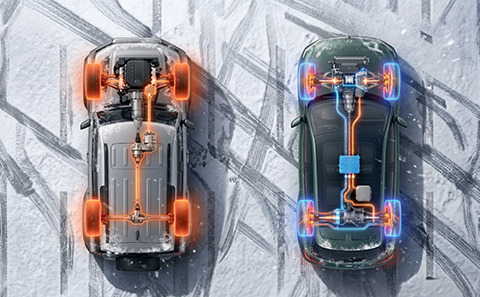
Is AWD or 4WD Better in Snow? Compare Your Winter Options
Dajana Novak - September 16, 2026