How Long Do Tires Last: Tread Depth, Age, and Mileage Guide
Dajana Novak - July 1, 2026
While tires don't come with an expiration date printed on the sidewall, they don't last forever either. How long tires last depends on a mix of factors: how many miles you drive, how old the rubber is, what kind of roads you cover, and whether the tires have been properly maintained. A tire at 30,000 miles on a highway commuter looks very different from one at the same mileage on a truck used for off-road work.
This guide will walk you through what actually determines tire lifespan, how to tell when replacement is overdue, and what you can do to extend the life of your current set.
Table of Contents:
How Long Do Tires Usually Last?
Most tires are designed to last somewhere between 50,000 and 70,000 miles, though that range shifts considerably depending on the tire. Budget tires often fall short, while premium touring tires with higher tread wear ratings can surpass them. The number on a tire's warranty gives you a baseline, but real-world mileage often depends on factors the warranty doesn't account for.

For example, tire age matters just as much as mileage. Manufacturers and safety organizations generally recommend replacing tires after six years, regardless of how they look. You should treat any tire over ten years old as overdue for replacement, no matter how much tread is left. Rubber degrades over time even when a vehicle sits unused, and that degradation isn't always visible from the outside.
Vehicle type adds another variable. A set of all season tires on a sedan driving mostly highway miles will wear very differently from the same tires fitted to an SUV used for towing or a truck that splits time between pavement and gravel. Heavier vehicles put a lot more stress on tires, and demanding use conditions accelerate wear in ways that standard mileage estimates don't reflect.
Tire Lifespan by Tire Type
Not all tires are built with longevity as the priority. The compounds, tread patterns, and construction methods that make a tire good at one thing often come at the cost of how long it lasts. Here's how the most common categories compare.
All Season Tires
All season tires are the most widely used option for everyday passenger vehicles, and they're designed with durability in mind. Most carry tread wear warranties in the 50,000 to 70,000 mile range, and many drivers hit those numbers without issue under normal conditions. Consistent highway use, regular rotations, and proper inflation keep them in that range. Heavy city driving, frequent hard braking, or persistent underinflation will pull that number down.
Performance Tires
Performance tires trade longevity for grip. The softer rubber compounds that give them better handling and shorter stopping distances also wear down faster, particularly in warm conditions where the rubber works hardest. Most performance tires last between 20,000 and 40,000 miles, and high performance summer tires sit toward the lower end of that range. Drivers who prioritize responsiveness over lifespan accept that trade-off.
Winter Tires
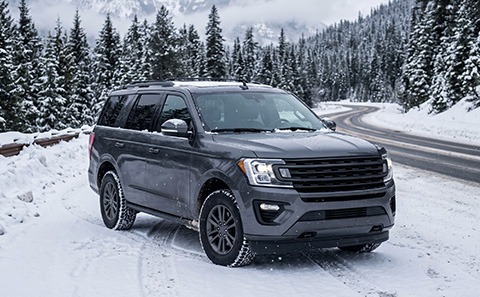
Winter tires are built for cold weather, not year-round use. Drivers who swap them on in late fall and pull them off in spring typically get several winters out of a single set, which usually works out to 30,000 to 40,000 miles of total use. Keeping them on through warmer months accelerates wear significantly since the softer compounds that grip cold pavement break down quickly on warm, dry roads.
All Terrain and Mud Terrain Tires
These tires are designed for versatility and durability under rough conditions, but their lifespan depends heavily on how they're actually used. A set of all terrain tires that spend most of their time on pavement can reach 40,000 to 60,000 miles. Mud terrain tires drive regularly off-road and wear faster due to the aggressive tread design and the abrasive surfaces they're made for. The more highway miles in the mix, the longer these tires tend to last.

Tire Age vs. Tire Mileage
Tread depth is the most visible sign of tire wear, but it doesn't tell the whole story. A tire can look fine on the outside and still be unsafe to drive on because rubber doesn't just wear down from use. It ages whether the vehicle is moving or sitting in a garage.
Heat, UV exposure, and time break down the rubber compounds from the inside out. That process happens gradually and leaves little visible evidence until the tire is already compromised. Sidewall cracking, surface crazing, and dry rot are signs that age has caught up with the rubber, but by the time they appear, the tire has often been past its safe service life.
Most manufacturers recommend treating any tire over six years old as a candidate for replacement, regardless of tread depth. Beyond ten years, replacement isn't a recommendation; it's a requirement. That timeline applies to spare tires too, which tend to age faster because they're rarely inspected and often stored in conditions that accelerate deterioration.
This is why mileage alone isn't a reliable measure. A low-mileage vehicle that sits idle most of the year can wear through tires faster on a calendar-year basis than a high-mileage commuter car. When deciding whether to repair or replace tires, age and mileage both need to be part of the conversation, not just whichever number looks better.
Factors That Affect How Long Tires Last
Tires on identical vehicles can wear at very different rates depending on how they're driven and how well they're maintained. These are the factors that make the biggest difference.

Driving Habits
The way a vehicle is driven puts more stress on tires than most drivers realize. Hard braking scrubs rubber off the tread surface with every stop. Fast acceleration spins tires under load, generating heat and friction that accelerates wear. Sharp cornering pushes lateral force into the tread, stressing the compound the same way, since heat is one of the primary drivers of rubber degradation. Smoother, more consistent driving habits genuinely extend tire life.
Road Conditions
The surface a tire spends most of its time on directly affects how long it lasts. Potholes stress the sidewall and internal structure with every impact, and repeated hits can cause damage that isn't immediately visible. Gravel roads wear tread faster than smooth pavement and increase the risk of punctures. Uneven pavement creates irregular contact patterns that result in uneven wear over time. Drivers who regularly cover rough terrain should avoid damage from potholes where possible and inspect their tires more frequently than drivers on cleaner roads.
Tire Maintenance
Proper maintenance is the most controllable factor in tire lifespan. Underinflated tires flex more than they should, building heat and wearing the shoulders faster than the center. Overinflated tires make excessive contact in the middle of the tread, wearing the center strip prematurely. Regular tire rotation distributes wear evenly across all four tires, which extends the life of the full set rather than burning through the tires that carry the most load. Balancing prevents vibration that causes uneven wear, and proper wheel alignment keeps tires making contact with the road at the correct angle. If the wheel alignment is off, tires wear unevenly and wear out faster regardless of how carefully everything is handled.
Vehicle Weight and Load
Tires are rated for specific load capacities, and consistently operating near or beyond those limits accelerates wear. Heavier vehicles put more pressure on the tread surface with every mile, which means the rubber breaks down faster than it would under lighter loads. Towing adds stress beyond the vehicle's own weight, and frequently hauling heavy cargo in a truck bed or van produces similar results. Drivers who regularly push their load limits should check that their tires are rated appropriately for the weight they're carrying and expect shorter intervals between replacements.
Climate and Temperature
Rubber is sensitive to temperature, and tires in extreme climates take on wear that drivers in moderate regions don't deal with. Prolonged heat softens compounds and accelerates oxidation, which shortens the usable life of the tire. Cold temperatures harden rubber, reducing flexibility and grip, particularly in tires not designed for winter conditions. UV exposure from direct sunlight degrades the sidewall over time, which is one reason vehicles parked outdoors age their tires faster than those kept in a garage. Seasonal swings between hot and cold also stress the rubber repeatedly through expansion and contraction, contributing to cracking and compound breakdown over time.
When Should You Replace Your Tires?
Tread depth, age, visible damage, and how the tire performs on the road all factor into the decision. In other words, waiting until a tire fails isn't a replacement strategy.

Tread depth is the most straightforward measure. The legal minimum in most states is 2/32 of an inch, but traction begins to drop off before the tire reaches that point. Most safety recommendations call for replacement at 4/32, particularly if wet roads are a regular part of the drive. The penny and quarter tests are quick ways to gauge where tread depth stands without a gauge tool.
Age should be checked even when the tread looks adequate. Tires six years old or older warrant a close inspection for sidewall cracking, surface crazing, or any sign of rubber breakdown. Visible damage is non-negotiable. Bulges or bubbles in the sidewall indicate internal structural failure. Deep cuts, punctures outside the repairable center tread area, and significant cracking are all grounds for immediate replacement. After all, a damaged tire that holds air is not necessarily a safe tire.
Performance changes are worth taking seriously, too. Persistent vibration, pulling to one side, longer stopping distances, or handling that feels different from what it used to can all point to a tire that's no longer performing as it should.
Manufacturer recommendations provide the outer boundary. Even tires that appear to be in good condition should be replaced within the timeframe the manufacturer specifies, typically six to ten years from the date of manufacture, which is encoded in the DOT number on the sidewall.
Bottom Line
How long tires last comes down to more than mileage. A tire's age, the conditions it drives through, the load it carries, and how consistently it's maintained all shape how long it stays safe and functional. Most tires are built to cover 50,000 to 70,000 miles, but that number means little if the rubber has aged or the vehicle has been putting unusual demands on the tread.
Check tread depth regularly, know how old your tires are, and don't wait for warning signs before looking into replacement. After all, the best time to catch a tire problem is before it becomes a roadside emergency.
Frequently Asked Questions
How Long Do Tires Last With Low Mileage?
Low mileage doesn't guarantee a longer tire life. Rubber ages with time regardless of how many miles a vehicle covers, so a tire driven sparingly can still need replacement around the six-year mark due to dry rot and compound breakdown, even with most of its tread intact.
How Long Do Spare Tires Last?
Most spare tires last six to ten years, but they often age faster than the tires in regular use because they're rarely inspected and frequently stored in trunks or underbody compartments where heat and humidity speed up deterioration. Check a spare's age and pressure periodically even if it's never been used.
How Long Do Trailer Tires Last?
Trailer tires typically last three to five years due to the static loads, prolonged sun exposure during storage, and infrequent use that characterize most trailer setups. Mileage matters less here than age and storage conditions.
How Long Do Bike Tires Last?
Bike tires generally last 1,000 to 3,000 miles depending on tread compound, riding surface, and rider weight. Road tires used frequently on pavement wear faster than mountain bike tires used intermittently on softer terrain.
How Long Do Run Flat Tires Last?
Run flat tires typically last 15,000 to 30,000 miles, often less than standard tires due to their stiffer sidewall construction, which increases heat buildup and accelerates wear, particularly under hard driving or in hot climates.
How Long Do Truck Tires Last?
Truck tires generally last 40,000 to 80,000 miles, with significant variation based on load, terrain, and whether the truck is used commercially or for personal driving. Heavier loads and frequent towing shorten that range considerably.
Related Posts

Is AWD or 4WD Better in Snow? Compare Your Winter Options
Dajana Novak - September 16, 2026

Tire Financing With Bad Credit: 5 Options That Still Work
Dajana Novak - September 30, 2026
Best Winter (Snow) Tires for 2026/2027: Best Models Compared
Tina Alijevic - October 7, 2026