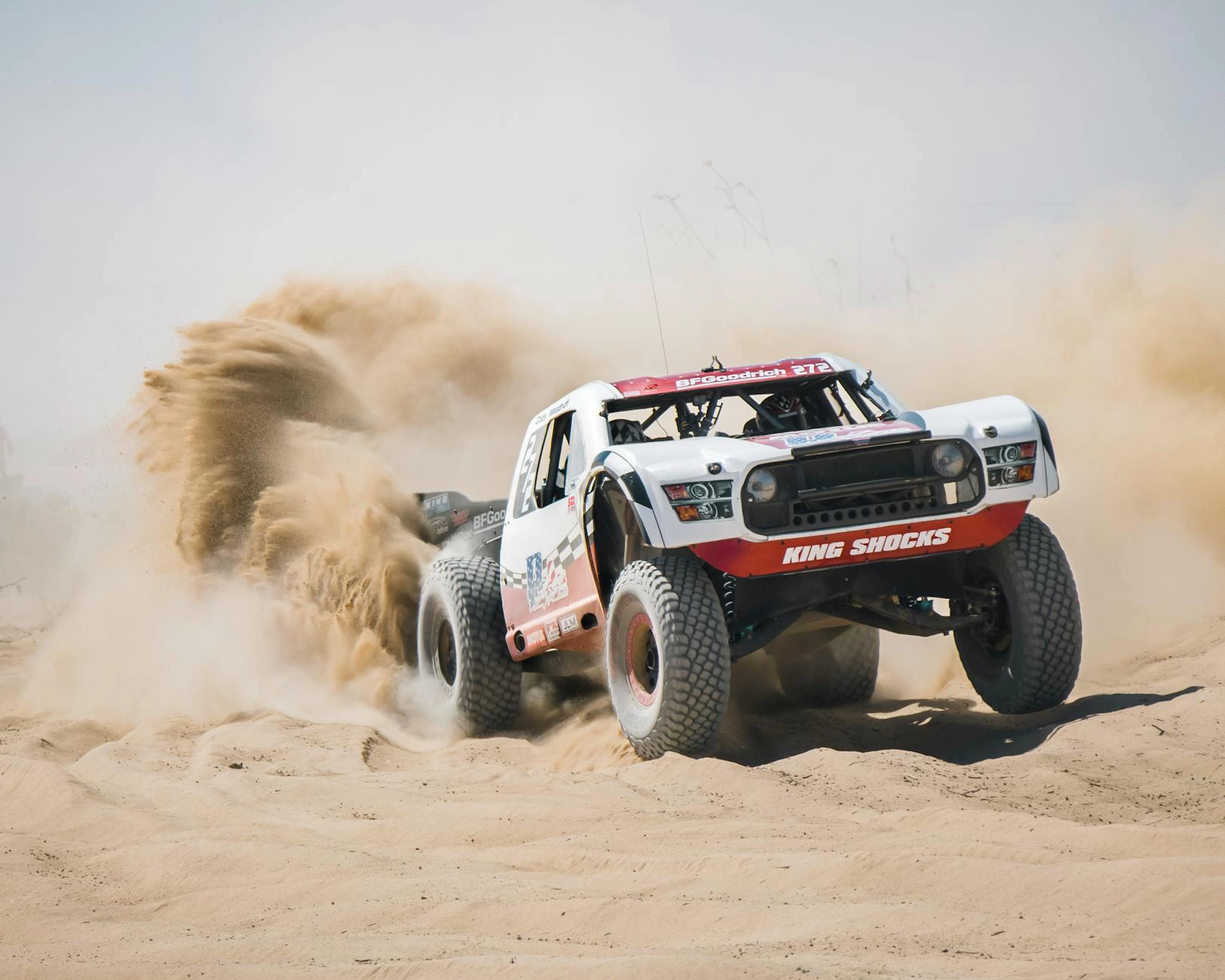
Traction
Traction is the grip between a tire and the road surface. It enables effective acceleration, braking, and cornering without slipping. This performance characteristic is measured through the traction grade, a standardized rating that evaluates a tire’s wet braking capability under controlled conditions.
The testing involves mounting tires on a skid trailer, towing them at 40mph over wet asphalt and concrete, briefly locking the brakes, and measuring the coefficient of friction during straight-line skidding. This grade is part of the Uniform Tire Quality Grading (UTQG) system displayed on tire sidewalls.
40 mph Friction Test
A locked-wheel trailer is towed at the standard testing speed of 40 mph over wet pavement to measure pavement friction and skid resistance.
Wet Surface Testing Only
The pavement is sprayed with water before testing to simulate rain-slicked conditions and measure wet braking friction.
0.5 - 1.5 sec Window
The pavement friction coefficient is measured within this window after wheel lockup to obtain the most reliable skid-resistance values.
Traction Grade Comparison
Choose a grade to display the required friction coefficient a tire must achieve on both wet asphalt and concrete test surfaces to earn specific traction rating.
Wet Asphalt
>
0.38 g-force
Wet Concrete
>
0.26 g-force
AA
Superior
Delivers exceptional wet braking with the shortest stopping distances; standard on high performance vehicles and premium tire lines.
A
Good
Provides reliable wet-weather stopping power for everyday driving. Most widely used rating across passenger car tires.
B
Acceptable
Meets the minimum safety threshold with moderate wet traction capability. Common on economy tires and older tire designs.
C
Marginal
The lowest legal traction standard in the U.S. with significantly limited wet braking capability. Requires increased caution in rainy conditions.
Modern ABS Limitation
While traction grades are based on fully locked, skidding wheels, modern tires are designed around Anti-lock Braking Systems (ABS) that never allow this scenario in practice. Contemporary tires achieve maximum braking efficiency at 10-20% slip instead of full lockup, reducing the test's relevance to real-world stopping distances.