
Tire Type
Every tire is designed for specific driving conditions and vehicle types. Understanding the differences will help you choose the right tire for your needs, whether you prioritize comfort, grip, performance, off-road performance, longer service life, or electric vehicle range.

Touring tires are ideal for sedans, minivans, and crossovers used for family driving, everyday commuting, and highway travel.
Touring
Touring tires are designed for drivers who prioritize comfort, quietness, and long tread life over sporty handling. They offer predictable handling in most weather conditions and are designed to deliver consistent performance throughout their lifespan.
Typically come with a 60,000-80,000 miles warranty.
Best for:
- Daily commuting on paved roads
- Long highway trips
- Family transportation
- Drivers seeking comfort and fuel efficiency
Trade-Offs:
- Less responsive handling compared to performance tires
- Reduced grip in aggressive cornering or spirited driving
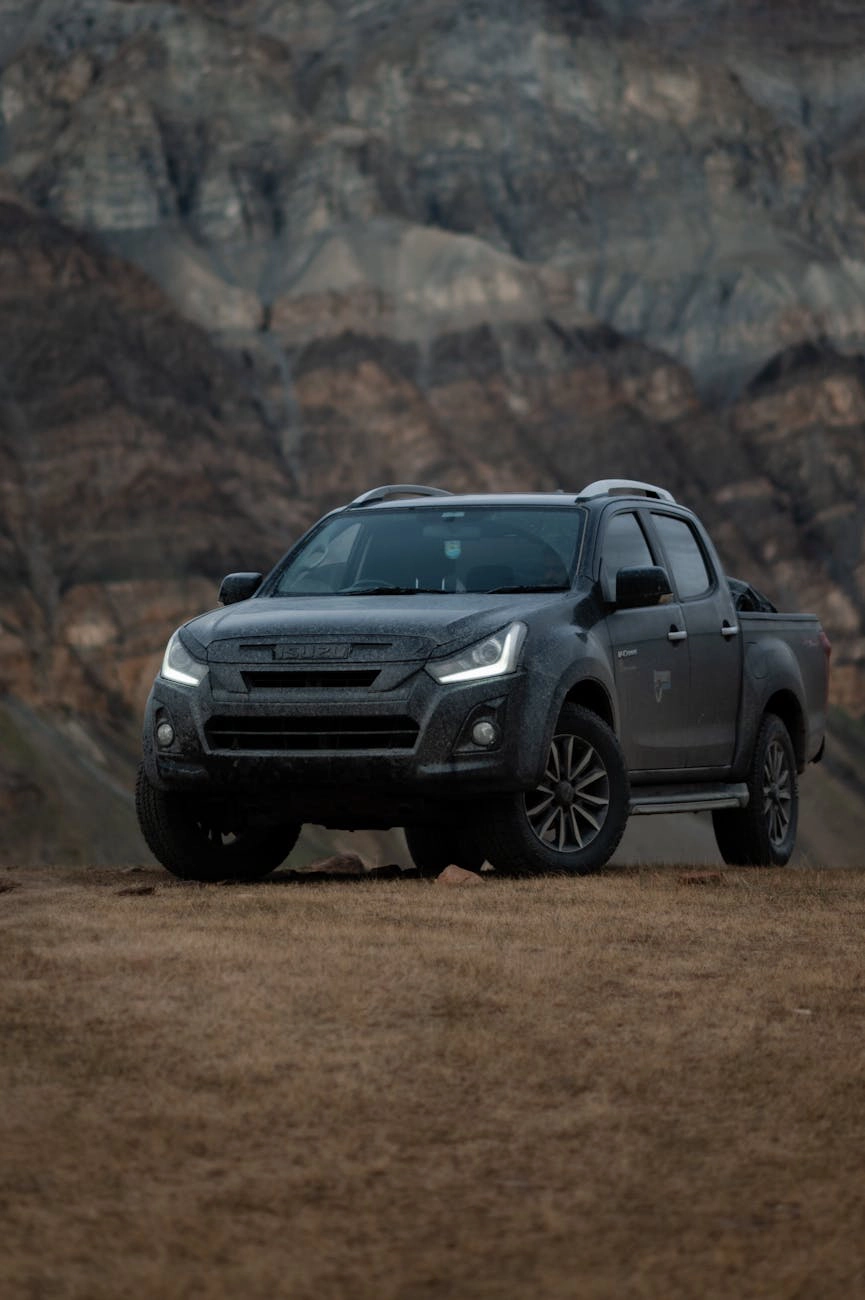
Highway tires are ideal for SUVs, crossovers, and pickup trucks used primarily for family transportation, suburban commuting, and occasional light-duty work.
Highway Terrain
Highway terrain tires are designed specifically for light trucks, SUVs, and crossovers that spend most of their time on paved roads. These tires emphasize ride comfort, low noise, and good fuel efficiency while maintaining the load-carrying capacity required for larger vehicles.
Typically come with a 50,000-70,000 miles warranty.
Best for:
- Paved road driving in SUVs and Trucks
- Highway commuting
- Light-duty hauling
- Occasional gravel roads
Trade-Offs:
- Limited off-road traction in mud, sand, or rocky terrain
- Not ideal for serious trail driving

Performance tires are ideal for sport sedans, coupes, and performance-oriented family cars used for enthusiastic daily driving and occasional spirited runs.
Performance
Performance tires bridge the gap between touring comfort and sports car handling. These tires feature specialized rubber compounds and tread designs that provide enhanced grip, more responsive steering, and better cornering than standard touring tires. They’re engineered for drivers who want a more engaging driving experience without fully sacrificing ride comfort or tread life.
Typically come with a 40,000-60,000 miles warranty.
Best for:
- Spirited weekend driving
- Winding roads and mountain passes
- Daily driving with sportier handling
- Moderate performance demands
Trade-Offs:
- Shorter tread life than touring tires
- Slightly firm ride quality
- Can be noisier than comfort-oriented tires

Performance tires are ideal for sports cars, performance sedans, and high-powered coupes used for enthusiastic driving, occasional track use, and performance-focused commuting.
High Performance
High performance tires are designed for sports cars and performance vehicles that demand superior grip and handling. They excel in both dry and wet conditions and are built to handle the increased power and weight transfer of performance driving.
Typically come with a 30,000-50,000 miles warranty.
Best for:
- Aggressive driving on public roads
- Track days and autocross events
- High speed highway driving
- Performance vehicle enthusiasts
Trade-Offs:
- Noticeably short tread life
- Reduced comfort and increased road noise
- Higher cost per tire

Performance tires are ideal for supercars, exotic sports cars, track-focused vehicles, and high performance sports cars used for spirited driving, track days, and performance enthusiast activities.
Ultra-High Performance
Ultra-high performance tires represent the pinnacle of street-legal tire technology. These tires are designed for extreme cornering forces, high speed stability, and precise steering response often found on supercars and high-end sports vehicles.
Typically come with a 20,000-40,000 miles warranty.
Best for:
- Track driving and racing events
- Maximum performance extraction
- High-speed driving
- Exotic and supercar applications
Trade-Offs:
- Very short life, especially with aggressive driving
- Firm ride quality and considerable road noise
- Significantly higher purchase cost
- Reduced performance in cold conditions
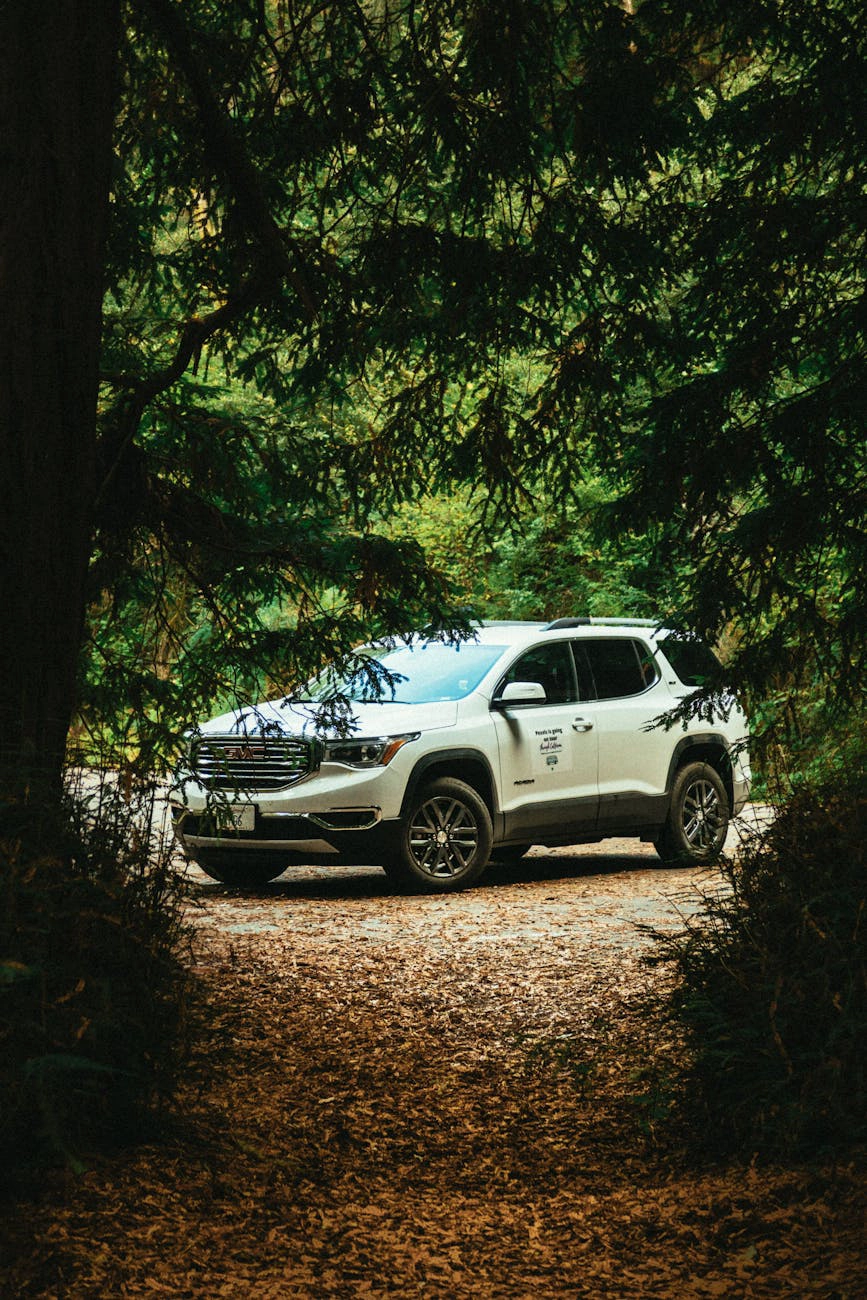
All terrain tires are ideal for trucks, SUVs, and off-road vehicles used for outdoor recreation, weekend adventures, work applications, and daily driving that includes both paved and unpaved surfaces.
All Terrain
All terrain tires are designed to perform both on- and off-road. These tires feature aggressive tread patterns with larger voids and more prominent shoulder blocks to provide traction in dirt, gravel, mud, and light snow while still maintaining acceptable on-road manners.
Typically come with a 40,000-60,000 miles warranty.
Best for:
- Mixed on- and off-road driving
- Weekend trail adventures
- Light to moderate off-roading
- Unpaved roads and work sites
- Variable weather conditions
Trade-Offs:
- Increased road noise compared to highway tires
- Slightly reduced fuel economy
- Less precise on-road handling than street tires

Rugged terrain tires are ideal for trucks and SUVs used for regular off-road adventures, overlanding, outdoor work, and daily driving where off-road capability is frequently needed.
Rugged Terrain
Rugged terrain tires sit between all terrain and mud terrain tires, offering more aggressive off-road capability than A/T tires while maintaining better on-road comfort than M/T tires. These tires are designed for drivers who frequently venture off-road but still need reasonable daily driving performance.
Typically come with a 40,000-50,000 miles warranty.
Best for:
- Frequent off-road adventures
- Rocky trails and forest roads
- Moderate mud and snow conditions
- Overlanding and camping trips
Trade-Offs:
- Noticeable road noise on pavement
- Reduced fuel efficiency compared to highway tires
- Less comfortable ride on smooth roads

Mud terrain tires are ideal for lifted trucks, dedicated off-road 4x4 vehicles, Jeeps primarily used for trail riding, rock crawling, and extreme off-road adventures with occasional on-road driving.
Mud Terrain
Mud terrain tires are purpose-built for extreme off-road conditions, particularly deep mud, loose soil, and rocky terrain. These tires feature larger tread elements, which maintain traction in challenging conditions. They have heavily reinforced sidewalls to withstand impacts from rocks and obstacles, and many feature rim protection to prevent wheel damage.
Typically come with a 30,000-50,000 miles treadwear warranty.
Best for:
- Serious off-road trails and rock crawling
- Deep mud and loose terrain
- Extreme 4x4 adventures
- Off-road competitions
Trade-Offs:
- Significant road noise and rough ride on pavement
- Less predictable handling on wet or icy roads
- Faster tread wear on pavement

Extreme terrain tires are ideal for purpose-built off-road vehicles, heavily modified trucks and Jeeps, rock crawlers, and competition 4x4s used primarily for extreme off-road challenges with minimal street driving.
Extreme Terrain
Extreme terrain tires represent the most aggressive off-road tire category available for street-legal use. These tires feature the deepest treads, largest lugs, and most open tread patterns designed for maximum traction in most challenging conditions, including deep mud, sand, rock crawling, and extreme trail obstacles.
Typically come with a 30,000-45,000 miles treadwear warranty.
Best for:
- Rock crawling and extreme trails
- Deep sand and desert driving
- Competition off-roading
- Maximum off-road traction
Trade-Offs:
- Extremely loud on pavement with rough ride
- Poor fuel efficiency and accelerated wear on roads
- Higher cost and limited availability

EV tires are ideal for battery electric and plug-in hybrid vehicles used for daily commuting, family transportation, and eco-conscious driving, where range optimization and quiet operation are priorities.
EV Specific
EV-specific tires are engineered to meet the unique demands of electric vehicles, which are typically heavier due to battery packs, and deliver instant torque that can accelerate tire wear. Many EV tires incorporate noise-dampening technology to maintain the quiet cabin experience EVs are known for.
Typically come with a 40,000-60,000 miles warranty.
Best for:
- Electric and hybrid vehicles
- Maximum driving range
- Quiet, comfortable driving experience
- Handling instant torque delivery
Trade-Offs:
- Higher initial cost than standard tires
- Limited selection compared to conventional tires
- May wear faster if used on heavy-performance EVs