
Load Index & Load Range
Overloading tires can lead to structural failure and dangerous handling. Learn how load index and load range ratings define what the tires can handle, and understand the difference between specific ratings to discover why matching your vehicle's specifications is essential for safety and performance.
Load Index
The load index is a standardized numerical rating located on the tire sidewall. It defines how much weight each tire can support when properly inflated. Higher numbers represent greater load-carrying ability. For instance, in the tire size 225/45R17, the "91" is the load index. This indicates a maximum load of 1,356 lbs per tire. Multiplying that number by four gives you the full vehicle capacity.
Drag the slider to find the weight capacity for any load index.
100
Capacity per tire
1,764
lbs
Total capacity
7,056
lbs
Load Range
The load range (formerly 'ply rating') defines a tire's structural strength and maximum inflation pressure capacity. Located on the tire sidewall and vehicle door placard, it's represented with letters (SL, XL, C, D, E, F). Higher ratings indicate stronger construction and greater load capacity at elevated pressures. This rating is especially important for light trucks, SUVs, and vehicles that tow or haul heavy loads.
Select a load range to see its ply rating and max inflation pressure.
4
Ply Rating
42
Max PSI
SL
36 psi
XL
42 psi
C
50 psi
D
65 psi
E
80 psi
F
95 psi
Never Downgrade Load Capacity
Always install tires that meet or exceed the load index listed on your vehicle's door placard. Tires with a lower load capacity risk structural failure, overheating, and unsafe handling, especially when towing or hauling. When in doubt, consult a qualified tire technician or refer to your owner's manual for specifications.
What Are The Differences?
P
Passenger Tire System
SL & XL
Vehicle type: P (Passenger) is a tire category for cars, minivans, and crossovers prioritizing comfort and efficiency.
Within the P category, SL (Standard Load) is the default load rating for typical car loads at standard pressure, while XL (Extra Load) offers reinforced construction supporting 15-20% more weight at higher pressures for heavier sedans and crossovers.
Load index: P-rated tires usually have a load index of 70 to 110, allowing them to support 739 to 2,337 lbs per tire for everyday passenger vehicle use.
Load range: P-tires do not use load range letters. They are categorized as Standard Load (SL) up to 35 psi or Extra Load (XL) up to 41 psi.
Example
A tire marked P215/60R16 95H SL is a passenger tire with Standard Load capacity, while 215/60R16 99H XL is an Extra Load version of the same size supporting additional weight.

LT
Light Truck System
C, D, E & F
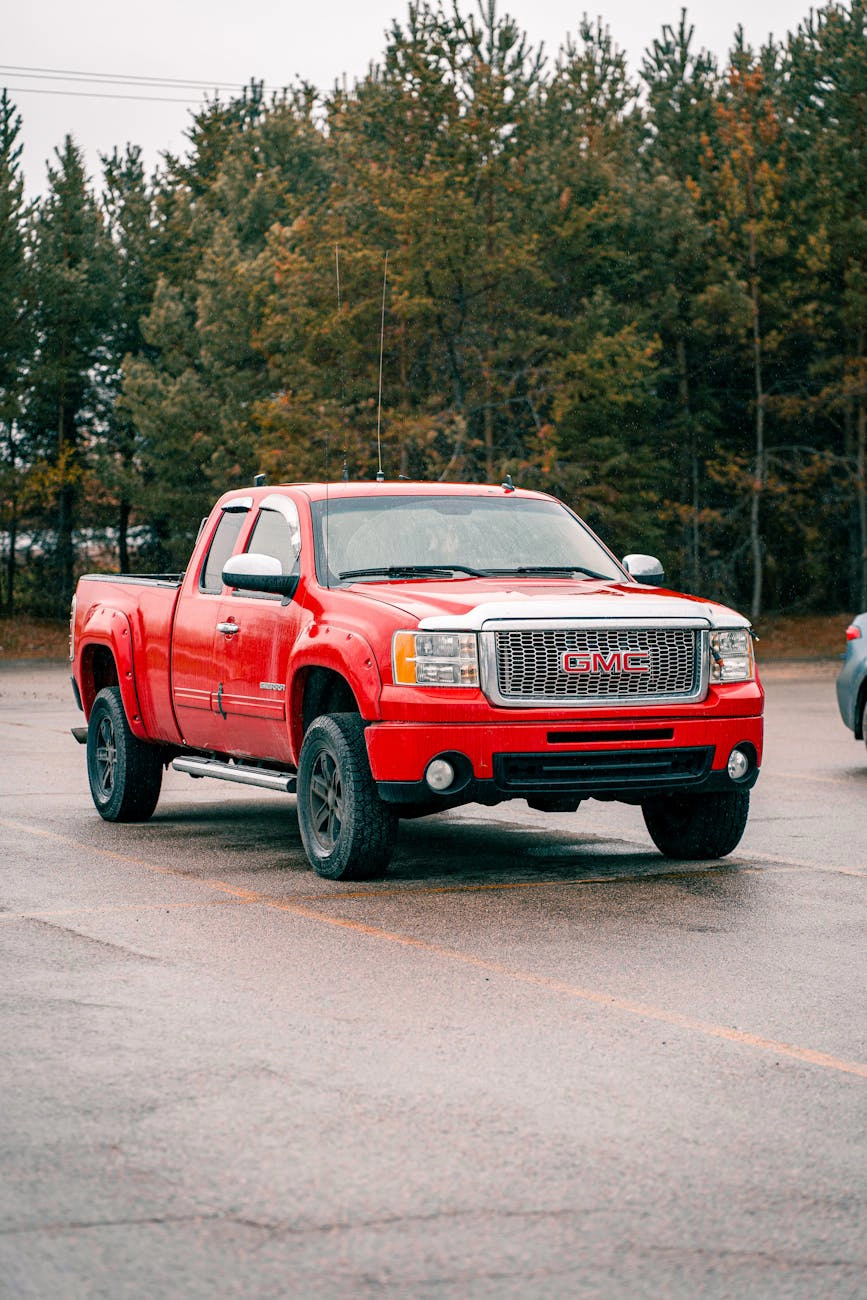
Vehicle type: LT (Light Truck) is the tire category for pickups, vans, and SUVs, prioritizing load capacity and durability.
Higher load ranges require higher pressures, support more weight, and create firmer rides due to stiffer sidewalls. Within the LT category, load ranges (C, D, E, F) indicate progressively stronger construction:
Load index: LT-tires range in load index from 100 to 130+, allowing them to handle 1,764 to 4,188 lbs per tire for heavy towing and hauling.
Load range: LT-tires use load range letters indicating ply rating and maximum pressure: Load Range C (6-ply, 50 psi), D (8-ply, 65 psi), E (10-ply, 80 psi), and F (12-ply, 95 psi).
- C: 6-ply rating. Handles 1,820-2,470 lbs at 50 PSI. Suitable for light-duty trucks and SUVs.
- D: 8-ply rating. Handles 2,540-3,040 lbs at 65 PSI. Often used for older trucks or specific flotation/off-road tire sizes.
- E: 10-ply rating. Handles 3,042-3,640 lbs at 80 PSI. The modern standard for 3/4 and 1-ton trucks with heavy towing needs.
- F: 12-ply rating. Handles 3,750-4,480 lbs at 95 PSI. Reserved for heavy-duty commercial vehicles.
Example
A tire marked LT265/70R17 121/118R Load Range E is a light truck tire with a 10-ply construction, capable of handling 3,197 lbs per tire at 80 PSI, suitable for heavy-duty pickups and towing applications.
ST
Special Trailer Designation
Unlike P and LT tires designed for steering and driving, ST (Special Trailer) tires are built exclusively for non-powered trailer axles. Engineered with reinforced sidewalls to resist swaying under towed loads, but lacks the construction needed for acceleration, braking, and steering focus.
Vehicle type: ST-tires are built specifically for trailers: boat, utility, and travel trailers. They feature stiff sidewalls to resist sway and are not suitable for steering or driving axles.
Load index: ST-tires range from load index 95 to 130+, carrying higher loads relative to their size to manage trailer weight. They support 1,521 to 4,188 lbs.
Load range: ST-tires use the same load range system as LT-tires, most commonly C, D, E, and F, with stiffer construction for trailer applications.
Example
A tire marked ST225/75R15 Load Range D is a special trailer tire designed only for trailer axles, with reinforced sidewalls to handle towing stress without the steering and braking demands of vehicle-mounted tires.

C
Commercial Vehicles
When C appears as a suffix after tire size, like 195/70R15C, it indicates a commercial tire, different from the load range label on LT tires. These commercial tires share the same 6-ply construction as light truck C-rated tires but are optimized for steer and drive axles on delivery vans, cargo trucks, and fleet vehicles.
C-rated commercial tires operate at higher pressures than passenger tires and typically use Load Range C or D construction to handle frequent heavy loads on steer and drive axles. Common applications include delivery vans, airport shuttles, and fleet vehicles where standard passenger tires would risk overheating, premature wear, and blowouts under commercial weight demands.
Vehicle type: C-rated tires are designed for commercial vans, delivery vehicles, and work fleets that carry heavy payloads and operate at higher pressures than passenger tires.
Load index: C-rated commercial tires usually range from load index 95 to 121, supporting 1,521 to 3,197 lbs per tire. The dual load indices indicate capacity for single versus dual rear wheel configurations on work vans.
Load range: C-rated commercial tires typically use Load Range C or D construction but are optimized for the constant "stop-and-go" stress of delivery work.
Example
A tire marked 215/65R16C 109/107T features dual load indices, 109 for single-rear-wheel fitment and 107 for dual-rear-wheel configurations. This shows it's designed for commercial van applications where payload capacity varies by axle setup.

Frequently Asked Questions
How to read tire size?
How to measure tire size?
How to find tire size?
What do tire size numbers mean?
- 225 - tread width in millimeters
- 65 - aspect ratio, meaning the sidewall height is 65% of the tire's width
- R - indicates radial construction
- 17 - wheel diameter in inches
- 102 - load index
- H - speed rating