Table of Contents:
Tire Repair vs. Replacement: Your Complete Decision Guide
Dajana Novak - April 15, 2026
Table of Contents:
You're backing out of your driveway when you notice the tire pressure warning light glowing on your dashboard. A quick inspection reveals the issue: a nail lodged in your front tire. Now comes the question every driver faces at some point: Should you repair or replace the tire?
Tire repair is the cheaper, faster option, as it usually costs around $20 to $30. But not all tire damage can be safely repaired. Sometimes replacement is the only choice that keeps you safe on the road.
This article will help you figure out which option you should choose. The tire repair vs. replacement decision depends on where the damage is located, how serious it is, and how much tread your tire has left. We'll walk through each factor so you know exactly what to do the next time you're dealing with a damaged tire.
What Kind of Tire Damage Can Be Repaired?
Not all tire damage is created equal. Some types can be fixed safely and inexpensively, while others compromise the tire's structure beyond repair.
Small punctures in the tread area are the most common repairable damage. If a sharp object creates a hole no larger than 1/4 inch in diameter, a professional can typically patch it from the inside. The key is that the puncture stays within the tread.
Nails or screws embedded in the tread fall into this same category. As long as the object punctured straight through and the hole is small enough, repair is usually possible. Don't pull the nail out yourself. Leave it in place and drive carefully to a tire shop. Removing it releases air and makes it harder for a technician to locate the exact points of damage.

Damage That Is Never Repairable
Some types of tire damage can't be fixed, no matter how minor they look. If your tire has any of the following, replacement is the only safe option.
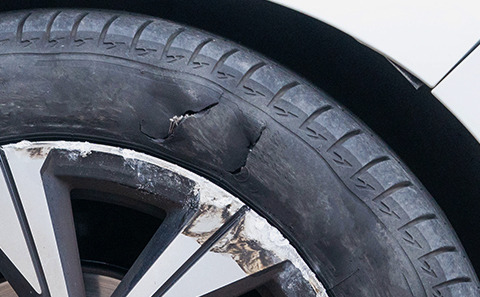
Sidewall or shoulder punctures: The sidewall is the vertical part of the tire between the tread and the wheel. It flexes constantly as you drive and contains no steel belts for reinforcement. A puncture here will eventually fail under pressure. On the other hand, the shoulder where the tread curves into the sidewall is also off-limits for repair.
Large punctures or gashes: Any hole larger than 1/4 inch in diameter is too big to patch safely. The same goes for cuts or gashes that expose the tire's internal cords or belts.
Tread worn below the legal limit: If your tread depth measures 2/32 inch or less, the tire is legally bald in most states. Even if the damage itself could be repaired, a worn-out tire still needs to be replaced.
Bulges, bubbles, or bead damage: A bulge or bubble signals internal structural failure. The tire's inner layers have separated, and air is pushing through weak spots. These tire bubbles can burst without warning. Bead damage, where the tire seals against the wheel, also can't be repaired.
Run flat damage: If you've driven on a flat tire for any distance, the sidewalls have likely been crushed and damaged beyond repair. Even if the tire holds air again, the structure is compromised. Of course, this does not fully apply to tires designed with the run flat technology.
Simply put, when you see any of these issues, patchwork won't help. Instead, you should head straight for a replacement.
When Should You Not Repair a Tire?
Even when damage looks repairable on the surface, there are situations where attempting a fix creates unnecessary risk. Repair works when the damage is straightforward, and the tire still has useful life left. When either of those conditions doesn't hold, replacement is the right call.
Location of the Damage Matters
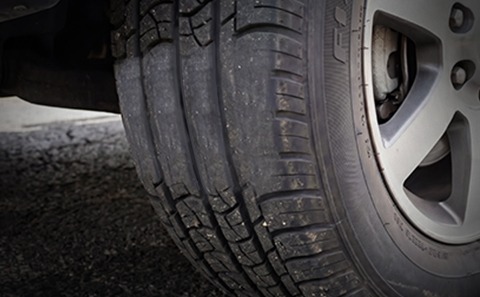
The location of the damage on your tire determines whether repair is even possible. The tread area is the only part of the tire designed to handle repairs. Specifically, punctures must fall within the central three-quarters of the tread area. This zone contains steel belts and multiple rubber layers that can support a patch or plug without compromising safety.
The sidewall is off-limits. This area has no steel reinforcement, just thin layers of rubber and fabric. A puncture here creates a weak point that will fail under pressure. Sidewall pothole damage is particularly common and almost equally irreparable. Hitting a pothole hard enough to slice or bulge the sidewall means the internal structure has been compromised.
This rule is strictly followed because the consequences of a failed repair are severe. A sidewall blowout at highway speed has almost no warning signs and leaves the driver with little control. The tire deflates instantly, causing the vehicle to pull sharply in one direction.
If the damage is anywhere outside the tread's center zone, replacement is the only safe option. No reputable shop will patch a sidewall, and no tire manufacturer will warranty that kind of repair.
Size and Depth of the Puncture
Whether the tire can be patched up safely also depends on the puncture size. The industry standard is very straightforward: any hole larger than 1/4 inch in diameter is too big to repair. Beyond that width, patches and plugs can't create a reliable seal, and the risk of air loss or failure increases. This rule applies to the entry point you can see from the outside. A nail might leave a small hole, while a large screw or jagged metal can immediately cause damage that exceeds the repairable limit.
Depth matters just as much as width. While a puncture might look minor on the surface, it could have penetrated deep enough to damage the tire's internal structure. Tires are built in layers: tread rubber, steel belts, fabric plies, and inner liner. If the object slices through the steel belts or cuts the fabric cords beneath, the tire's strength is compromised. So, while a patch can seal the hole, it can't restore structural integrity.
The depth is inspected from the inside after the tire is removed from the wheel. The technicians will look for frayed cords, separated layers, or damage to the steel belt. If any of these are present, the tire gets replaced regardless of how small the external puncture appears.
Previous Repairs
A tire can sometimes be repaired more than once, but there are limits. The key factor is spacing. If the new puncture is at least 16 inches away from an existing repair, a second patch is generally safe. Closer than that, and the repairs start to interfere structurally.
Most manufacturers and tire shops follow a two-repair maximum as a safety guideline. More than that, the cumulative effect of multiple patches weakens the tire's integrity even if the spacing requirements are met.
In other words, overlapping repairs are never acceptable. So, if a new puncture lands within a few inches of an old one, the tire can't be patched again. The overlapping stress points create a weak zone that's prone to failure. One or two well-spaced repairs are fine, but three or more repairs, or any repairs close together, mean it's time to replace the tire.

How Do I Know If My Tire Can Be Repaired?
Before you call a repair shop or schedule an appointment, you should do a quick assessment yourself.
Look at the tire and identify where the puncture or cut is located. Is it in the flat part of the tread that touches the road, or is it closer to the side? If the damage is in the center three-quarters of the tread area, repair is possible. If it's on the sidewall, shoulder, or outer edge of the tread, replacement is needed.
Think about what caused the damage. A nail or screw that went straight in is usually repairable. A jagged piece of metal, a large bolt, or a slash from road debris is more likely to have caused damage beyond what a patch can fix. The size and shape of the object matter. If the hole looks larger than a pencil, it's probably too big to repair.
Consider how long the tire was driven with low or flat pressure. If you noticed the puncture immediately and didn't drive on it, that's ideal. If you drove for several miles on a nearly flat or flat tire, the sidewalls have likely been damaged internally. Even a short distance at zero pressure can compromise the structure.
Walk around the tire and look for anything unusual. Bulges or bubbles in the sidewall indicate internal failure. Deep cracks in the tread or sidewall show age-related deterioration. Any visible deformation or unevenness suggests the tire has been damaged beyond repair.
If your answers point to tread damage from a small, straight puncture and the tire wasn't driven flat, repair is likely possible. If any red flags came up, head to the shop expecting a replacement.
What a Professional Inspection Involves
A visual inspection from the outside only tells part of the story. To determine whether a tire can be safely repaired, a technician needs to see what's happening inside.
After the visual inspection, the tire is removed from the wheel and dismounted so the technician can examine the interior liner. This is where hidden damage shows up. A puncture that looks minor on the outside might have torn through steel belts, separated internal layers, or created cracks in the inner liner. These issues aren't visible until the tire comes off the rim.
The technician checks frayed cords, moisture intrusion, and any signs that the puncture compromised the tire's structural integrity. They'll also look at the angle of entry. An object that went straight through is easier to seal than one that entered at an angle and left an irregular path.
The interior inspection is why you can't reliably assess repairability on your own. External appearance alone isn't enough to confirm whether a patch will hold safely. A shop won't know for certain until the tire is off the vehicle, and they can see the full extent of the damage.
What Is the Difference Between a Plug and a Patch?
Tire repair isn't one-size-fits-all. Two main methods exist, and they work differently. Understanding this difference helps you know what to expect at the shop and why one method is safer than the other.
Tire Plug
A plug is a rubber cord coated in adhesive that gets inserted directly into the puncture from the outside. The technician uses a reaming tool to clean the hole, then pushes the plug through with an insertion tool. The excess material gets trimmed flush with the tread surface.
This method is fast and doesn't require removing the tire from the wheel. Some shops can complete it in 15 minutes. The downside is that a plug only fills the hole without addressing internal damage or reinforcing the area. It's considered a temporary fix by most safety standards. Tire manufacturers don't approve plug-only repairs as permanent solutions.
Tire Patch
A patch is applied to the inside of the tire after it's been removed from the wheel. The technician inspects the interior lining, cleans and buffs the damaged area, then applies a rubber patch with vulcanizing cement. The patch bonds to the inner liner, creating an airtight seal that reinforces the puncture zone.
This method takes longer because the tire must be removed from the rim, but it is more reliable than a plug. The interior inspection also lets the technician spot hidden damage that would make the repair unsafe.
Plug-Patch Combo
The most thorough option combines both methods. A two-piece patch-plug unit seals the puncture from the inside while filling the hole from the outside. This creates a complete seal and is the industry-recommended method for permanent repairs. Reputable shops should use either a patch or a plug-patch combo. If a shop only offers an external plug without removing the tire, consider going elsewhere.
Is It Cheaper to Repair or Replace a Tire?
A repair is usually cheaper upfront. A standard tire repair runs between $15 to $30 at most shops. Replacement costs vary widely depending on the tire type, but expect to pay anywhere from $100 to $300 or more per tire. High performance, all terrain, or specialty tires can push that number even higher.
The price difference is significant, but cheaper isn't always better. A repair only makes sense if the tire is still structurally sound and has enough tread life left to justify the fix. Patching a tire that's already halfway worn means you'll be back for a replacement in a few months anyway. In that case, the repair cost becomes wasted money.
Safety is the bigger consideration. A failed repair can lead to a tire blowout at highway speeds, which puts you and others at risk. The $30 you save on a questionable patch isn't worth the potential consequences. If a technician tells you the tire needs replacement, trust that assessment. They're evaluating structural integrity, not trying to trick you.
Keep in mind, long-term value matters. A properly repaired tire can last the remainder of its tread life with no issues. A borderline repair on a compromised tire becomes a liability. Weigh the cost against how much usable life the tire has left and whether the damage truly qualifies as repairable.

Hidden Costs of Delaying Replacement
Driving on a damaged tire that should have been replaced creates problems beyond the tire itself. Uneven tire wear is one of the most common consequences. A tire with internal damage or a weak spot won't wear evenly, and that uneven wear pattern will affect the other tires on the vehicle. The damaged tire might wear faster on one edge, forcing premature replacement of tires that would otherwise have lasted longer.
Alignment issues can develop as well. A compromised tire changes how weight is distributed across suspension and steering components. If the damaged tire is causing the vehicle to pull or vibrate, it's putting extra stress on parts that weren't designed to compensate. You might find yourself paying for an alignment correction or even suspension repairs down the line. You might want to learn all about wheel alignment and how damaged tires contribute to misalignment.
The biggest risk is a tire blowout. A tire that's been driven way too long on a questionable repair or with visible damage can suddenly fail. This will happen without any warning and cause loss of vehicle control, especially at highway speeds. Blowouts lead to serious accidents, so delaying the replacement isn't just about the finances; it's also a matter of safety for you and everyone else on the road.
Do You Need to Replace Both Tires If One Is Damaged?
This often depends on how much tread the other tire has left and what type of vehicle you drive.
Tread depth matching matters because tires with significantly different tread depths don't rotate at the same speed. This creates uneven wear and puts stress on the drivetrain. If the damaged tire has 8/32-inch of tread and the other tire on the same axle has 5/32-inch of tread, replacing just one tire creates a mismatch. Most tire shops recommend replacing both tires on the same axle if the tread depth difference exceeds 2/32 to 4/32 inch.
For front-wheel-drive (FWD) and rear-wheel-drive (RWD) vehicles, you can usually get away with replacing just one tire if the tread depths are close. The new tire should go on the rear axle for better stability, and the less-worn rear tire can move to the front.
All-wheel-drive (AWD) vehicles are different. Since AWD systems rely on all four tires rotating at nearly identical speeds, a significant difference in tread depth forces the system to work harder to compensate. This can damage the transfer case, differentials, and other drivetrain components. Some AWD manufacturers require all four tires to match within 2/32 inch of tread depth. If your damaged tire is significantly worn and the others aren't, you might need to replace all four.
You should check the vehicle's manual for manufacturer recommendations. When in doubt, ask the tire shop to measure the tread depth on all four tires before making a decision.
Pros and Cons of Tire Repair
Tire repair has clear advantages, but there are also some limitations:
Pros:
- Cost savings: Repairs typically cost somewhere between $15 and $30, while a new tire costs $100 to $300+, depending on the type. If the damage qualifies for repair, you'll save quite a bit.
- Faster turnaround: Most repairs take 30 minutes to an hour. You can usually drive in without an appointment and leave the same day. Replacement involves ordering the tire if it's not in stock, mounting, balancing, and sometimes alignment, which can take longer.
- Environmentally less wasteful: Repairing a tire keeps it out of the landfill and reduces the demand for new tire production. Extending the tire's life through repair is the more sustainable option when the damage allows it.
Cons:
- Only works for minor damage: Repair is limited to small punctures in the tread area. Sidewall damage, large gashes, and structural issues all require replacement. If your tire doesn't meet the repairability criteria, repair isn't an option.
- Not a permanent fix if done improperly: A plug-only repair or a patch applied without proper interior inspection can fail over time. If the shop cuts corners, you're left with a tire that might lose air or blow out later.
- Can create false confidence: A repaired tire looks fine on the outside, which can lead you to assume it's as good as new. If the repair was marginal or the tire had hidden damage, you might be driving on a compromised tire without realizing it.
Pros and Cons of Tire Replacement
Replacement is the more expensive option, but it eliminates uncertainty and restores your tire to factory condition.
Pros:
- Full peace of mind: You are getting a new tire, meaning a tire that has no history of damage, no patches, and no structural concerns. You know exactly what you are driving on, and there's no reason to question whether the tire will hold up under normal conditions.
- Full tread depth restored: A new tire starts with maximum tread depth, typically 10/32 to 12/32 inches, depending on the model. That means better traction, improved handling, and thousands of miles before you need to think about replacement again.
- No compromise on safety: Replacement eliminates the risk of a repair failing or hidden damage causing problems down the road. You are starting fresh with a tire that meets all manufacturer safety standards.
Cons:
- Higher upfront cost: Replacement costs $100-$300+ per tire. This depends on the brand and the type. That's a significant jump from the $20 repair cost.
- May need to replace in pairs: If the tread depth on the tire doesn't match closely enough, you'll need to replace both tires on the same axle. For AWD vehicles, you might need to replace all four.
Is a Patched Tire as Safe as a New Tire?
A properly repaired tire can be just as safe for everyday driving, but it's not identical to a new one. The difference comes down to how the repair was done and what condition the tire was in before the damage occurred.

When a tire is repaired correctly using a patch or patch-plug combination, the puncture is sealed from the inside, and the structural integrity is maintained. The tire will hold air, perform normally, and last through the remainder of its tread life without issues. For daily commuting, highway driving, and normal use, a well-repaired tire is safe.
That said, a patched tire has been compromised in a way a new tire hasn't. The repair introduces a weak point, even if it's been sealed properly. Over time, the patch can degrade, especially if the tire is exposed to extreme temperatures, heavy loads, or aggressive driving. A new tire has no such vulnerability.
The quality of the repair matters significantly. A tire repaired with just an external plug is much less reliable than one repaired with an internal patch. A repair done without inspecting the interior for hidden damage is a gamble. If the shop didn't follow industry standards, the repaired tire may not be safe at all.
In other words, when a tire is repaired by a reputable shop using proper methods, it is safe for continued use. It won't perform exactly like a brand-new tire, but it will handle everyday driving without issues.
Conclusion
Once you understand the basics, deciding between a tire repair and replacement shouldn't be complicated. Repair works for small, straightforward damage in the tread area where the tire still has useful life left. Replacement is necessary when the damage affects structural integrity, sits in the wrong location, or the tire is already near the end of its lifespan.
The key is knowing what qualifies as repairable and what doesn't. Location matters more than almost anything else, along with size and depth. A properly repaired tire is safe for continued use, but only if it meets the criteria for repair in the first place.
When faced with tire damage, do a quick self-assessment before heading to the shop. Check where the damage is located, what caused it, and whether the tire was driven while flat. This can help you know whether to expect a simple repair or a full replacement. Of course, you should always let a professional make the final call.
Frequently Asked Questions
Can You Repair A Tire With A Sidewall Puncture?
No. Sidewall punctures cannot be safely repaired. The sidewall has no steel reinforcement and flexes constantly while driving. A puncture here will eventually fail under pressure, risking a sudden blowout.
What Is The Maximum Size Puncture That Can Be Repaired?
The maximum is ¼ inch in diameter. Any hole larger than this is too big for a patch or plug to seal reliably. If the puncture is bigger than a pencil eraser, it's likely too large to repair safely.
Can A Tire Be Repaired Twice?
Yes, if the second puncture is at least 16 inches away from the first repair. Most shops follow a two-repair maximum. Overlapping repairs or punctures close together mean the tire needs replacement instead.
What Are The Signs Of An Irreparable Tire?
Bulges or bubbles in the sidewall, deep cracks, exposed cords or belts, tread depth at or below 2/32 inch, and visible deformation all indicate irreparable damage. If you've driven on a flat tire, internal damage likely occurred.
How Long Does A Tire Repair Last?
A properly done repair using a patch or patch-plug should last the remainder of the tire's tread life. Under normal conditions, a quality repair holds up until the tire needs replacement due to wear.
Do I Need To Replace Both Tires If One Is Damaged?
It depends. If tread depths match closely (within 2/32 to 4/32 inch), you can replace just one. For AWD vehicles, all four tires may need replacement if tread depths differ significantly to avoid drivetrain damage.
Related Posts