Tire Bead 101: What It Is and Why It Matters
Dajana Novak - June 17, 2026
You've just pulled over on the side of the road, changed your tire, and you are ready to drive off… only to find out that your tire's flat again, within minutes. Of course, the first thing you suspect is a puncture or maybe rim damage, but the culprit might be something most drivers never think about: the tire bead. This small but critical component is the reinforced edge that forms an airtight seal between the tire and wheel.
When it seals properly, your tire holds pressure and performs exactly as it should. When it doesn't, you're left with slow leaks, poor handling, or a tire that simply won't stay inflated. Understanding how the tire bead works and what can go wrong with it can save you time, money, and a lot of roadside frustration.
Table of Contents:
What Is a Tire Bead?
The tire bead is the stiff inner edge of a tire that locks it firmly onto the wheel rim. Sitting at the very base of each sidewall, it forms an airtight seal between the rubber and the metal. Structurally, it consists of a bundle of high-tensile steel wires wrapped in rubber, giving it the rigidity needed to grip the rim under pressure. Without a properly seated bead, even a perfectly good tire will leak air, shift on the wheel, or fail at speed. It's a simple component with a critical job: keeping your tire exactly where it needs to be.

Types of Tire Beads
Wire bead (clincher) - The most common type by far, wire beads use coiled steel for structure and are found on the vast majority of passenger, truck, and SUV tires. They're durable, cost-effective, and easy to manufacture at scale.
Folding/Kevlar bead - Made with aramid fiber (commonly known as Kevlar) instead of steel, folding beads are lighter and flexible enough to fold for compact storage. They're typically found on high performance, racing, and premium cycling tires, where a stiffer, heavier bead would work against the tire's overall design.
What Causes Tire Bead Damage?
The tire bead is built tough, but it's not indestructible. Several common situations can compromise the bead and break that critical seal with the rim.
Improper Mounting or Dismounting
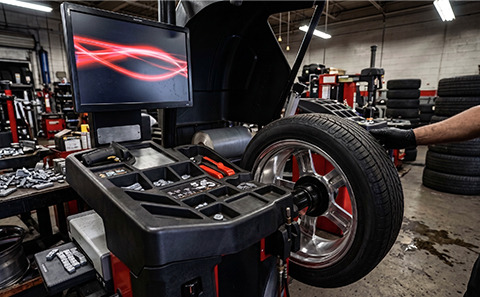
If you mount or remove a tire without the right tools or technique, it puts direct stress on the bead. Prying too aggressively with tire irons or forcing the bead over a rim without proper lubrication can crimp, crack, or outright break the steel wire bundle inside. It's the kind of damage that isn't always visible right away, which makes it easy to miss until the tire starts leaking or won't hold air at all. Once that wire is damaged, the bead loses its rigidity and can no longer form a reliable seal against the rim.
Corrosion on the Rim
When the wheel accumulates rust or oxidation along the bead seat, the tire simply can't seal properly. That rough, corroded surface stops the bead from sitting flush against the rim, and over time, it wears away the bead's rubber coating too. This tends to happen gradually, so drivers often don't notice until they're dealing with a slow leak that keeps coming back no matter how many times they add air. Of course, the longer it goes unaddressed, the worse the seal gets.
Overinflation or Underinflation
Tire pressure affects more than just ride comfort and puts real stress on the bead. Too much air will stretch the bead beyond its design limits, while too little will let it flex and shift against the rim with every mile. Both situations wear the bead down in different ways, and neither gives you much warning before the seal starts to fail. Either way, the seal takes a hit over time, while the PSI loss may cause tire bead damage.

Road Hazards and Impact Damage
When you hit a deep pothole or clip a curb hard enough, the bead can take the brunt of the impact. What makes this tricky is that the tire might look completely fine from the outside, with no obvious cuts or bulges, yet the bead has already shifted or deformed where it meets the rim. That kind of impact can knock the bead loose from the rim or deform it badly enough that it'll never seal right again. Pothole damage is one of the more common culprits behind bead failure, especially on low-profile tires with less sidewall to absorb the shock.
How to Fix Tire Bead Damage
Not every bead problem requires a trip to the shop. A bead that has simply lost its seat can often be fixed at home with the right supplies and a little patience. That said, if the bead itself is physically damaged, the fix isn't as straightforward. Before you start, take a close look at the bead and the rim to get a sense of what you're actually dealing with.
Reseating a Tire Bead at Home
- Deflate the tire completely before doing anything else. Any remaining air pressure makes the next steps harder and less safe.
- Apply bead sealer or soapy water generously along the entire bead edge. This helps the rubber slide smoothly into position against the rim.
- Re-inflate slowly, keeping a close eye on the pressure gauge the whole time.
- Listen and watch for the bead to pop into place. It's usually audible and happens fairly quickly once the pressure builds enough.
- Stop inflating as soon as the bead seats. Never exceed the tire's maximum PSI during this process, as doing so can cause a blowout.
When to See a Professional
Some damage is simply beyond a home fix, and waiting for things to go from bad to worse is not worth the risk. If the bead is visibly cracked or brittle, that is a sign the rubber has broken down to the point where no amount of resealing will restore a reliable seal. When you can see exposed steel wire, the structural integrity of the bead is already compromised, and the tire shouldn't be driven on.
If the bead repeatedly fails to reset after multiple attempts, something more serious is likely going on beneath the surface. In any of these situations, take the tire to a professional. Trying to salvage a bead in these conditions puts you at real risk of a blowout. In most cases, the tire will need to be replaced entirely, and the sooner that happens, the better.

How to Prevent Tire Bead Problems
The good news is that most tire bead issues don't come out of nowhere. They're usually the result of something that could have been caught or avoided early on. A few simple habits can make a real difference in how long your tires last and how well they perform.
- Have your tires mounted by a trained technician. It might seem like a simple job, but improper installation technique is one of the most common causes of bead damage. The right tools and proper lubrication during mounting can save you a lot of trouble down the road.
- Make sure the tire pressure is adequate. Regularly checking that your tires are inflated to the manufacturer's recommended PSI takes about two minutes and protects the bead from the stress that comes with running too high or too low.
- Inspect your rims before mounting new tires. Rust and corrosion along the bead seat are easy to overlook but hard to fix once a new tire is already on. A quick inspection and clean-up before mounting can prevent a slow leak from day one.
- Be mindful of curbs and road hazards. It's not always possible to avoid every pothole, but unnecessary curb contact and careless parking maneuvers are easy habits to break.
Bottom Line
The tire bead is one of those components that most drivers never think about until something goes wrong. But as small as it is, it plays a direct role in keeping your tire sealed, stable, and safe at every speed. Damage can come from something as routine as a bad mounting job or a slow build-up of rim corrosion, and it doesn't always announce itself right away. A tire that keeps losing air or won't seat properly is often trying to tell you the bead is the problem.
The fix isn't always complicated. A dislodged bead can sometimes be reseated at home with the right approach, but knowing when to hand it off to a professional is just as important. Visible wire, cracked rubber, or repeated failures are signs the tire has reached the end of its road. Staying on top of tire pressure, keeping your rims clean, and having tires mounted by someone who knows what they're doing will prevent most bead issues before they even start. It's a small amount of effort for a component that does a lot of quiet, essential work every time you drive.
Frequently Asked Questions
What Is The Purpose Of Tire Beads?
The tire bead locks the tire onto the wheel rim and creates an airtight seal that keeps it inflated and stable. Without it, no amount of air pressure would keep a tire properly seated during driving.
Can A Tire Bead Be Fixed?
It depends on the damage. A bead that has simply come unseated can often be reseated at home or by a technician using a bead sealer and careful reinflation. If the bead is cracked, brittle, or showing exposed wire, no repair will hold reliably, and the tire needs to be replaced.
How Long Do Tire Beads Last?
Under normal conditions, the bead is designed to last the full life of the tire. That said, factors like hard impacts, rim corrosion, and improper mounting can wear it down well before the tread does. Regular pressure checks and careful driving habits are the way to go.
Can You Use WD-40 To Seal A Tire Bead?
No. WD-40 breaks down rubber over time, which will make the problem worse rather than better. When reseating a bead, use a dedicated bead sealer or plain soapy water. Both are safer and far more effective than WD-40.
How Much Does It Cost To Replace A Tire Bead?
In most cases, bead damage means replacing the tire rather than repairing the bead itself. The cost of the tire varies widely depending on size and brand, but mounting and balancing typically add another $15 to $45 per tire at most shops.
What Are Common Tire Bead Problems?
The most frequent issues drivers run into are beads that won't seat properly after mounting, slow leaks caused by rim corrosion breaking the seal, and physical bead damage from pothole impacts or aggressive curb contact.
Related Posts
Is AWD or 4WD Better in Snow? Compare Your Winter Options
Dajana Novak - September 16, 2026

Tire Financing With Bad Credit: 5 Options That Still Work
Dajana Novak - September 30, 2026